My parents threw me out the night I refused to sign over my grandparents’ estate.
By the next morning, they were already coming for the house.
They believed the matter was settled. They believed that because I was their daughter, they could pressure me into signing whatever they placed in front of me. They believed my grandparents’ fortune was simply a prize waiting to be divided among the family.
They were wrong.
Because when they arrived at my grandparents’ house the following morning, my lawyer opened the door.
And standing beside me were the people they least expected to see.
But I’m getting ahead of myself.
To understand how my family ended up fighting over a house before my grandparents’ funeral flowers had even wilted, you have to understand what those two people meant to me.
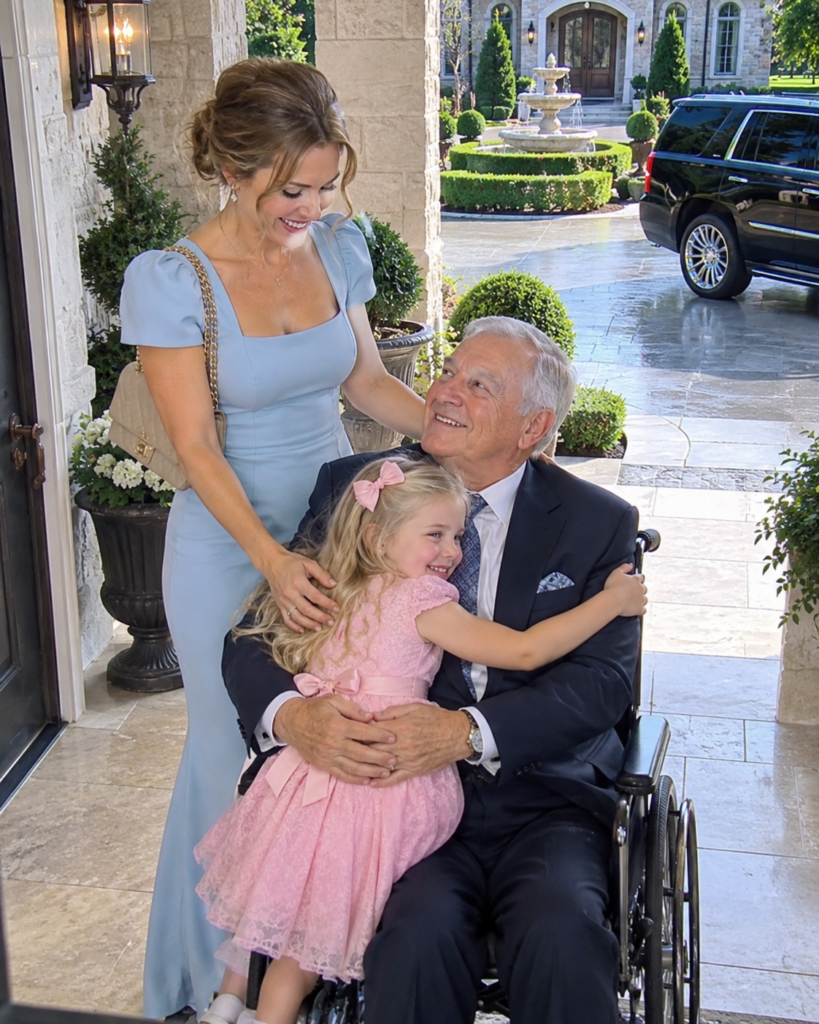
Harold and Elizabeth Alexander weren’t simply my grandparents.
They were home.
Two weeks before that terrible night, I had buried the only two people who had ever made me feel completely wanted.
My grandparents had built their lives from almost nothing.
Harold had started a logistics company with a single truck. Over the decades, that company grew into a small empire, eventually making him a very wealthy man.
But money had never changed him.
Grandpa still wore his old work boots to the grocery store.
Grandma still kept rubber bands in a kitchen drawer because, as she always said, “There’s no reason to throw away something that still works.”
Their house was beautiful, but it never felt intimidating.
It felt lived in.
Warm.
Safe.
Every Sunday, I sat at their kitchen table.
Sometimes I helped Grandma with her phone.
Sometimes I helped Grandpa sort paperwork.
Sometimes I simply listened.
They would tell me stories about the company, their early struggles, and the mistakes they had made along the way.
But they always returned to the same lesson.
Money was useful.
Money could solve problems.
Money could protect people.
But money was never supposed to determine someone’s worth.
Grandpa used to say that wealth was a tool, not a mirror.
“Never look at what you own to decide who you are,” he told me once. “Look at what you do with it.”
I was eight years old the first time he said something similar to me.
“No one can steal your dignity unless you give it to them.”
I never forgot those words.
I just never imagined how much I would need them as an adult.
Then a drunk driver ignored a red light.
And suddenly, the two chairs at my grandparents’ kitchen table were empty.
The reading of the will happened not long afterward.
Their attorney, Matthew Goldstein, sat at the front of the room with a thick folder in front of him.
My parents were there.
My brother Jason was there.
Aunt Pam was there.
Everyone looked solemn.
At least until Matthew began reading.
Then the atmosphere changed completely.
Harold and Elizabeth had left everything to me.
The house.
Company shares.
Investments.
Accounts.
Property.
Everything.
The total value of the estate was approximately $26 million.
For several seconds, nobody moved.
Then my father’s chair slammed backward as he stood.
“What?”
My mother immediately objected.
“This can’t be right.”
Matthew calmly continued.
There were no major gifts to my parents.
Nothing significant for Jason.
Nothing for Aunt Pam.
My grandparents had deliberately chosen me.
My mother shook her head.
“She’s a kindergarten teacher,” she said. “She can’t possibly handle this.”
Jason wasn’t interested in whether I could handle it.
He wanted to know how much he would receive.
He started talking about a business idea he had.
He needed several million dollars to get it off the ground, he said.
I hadn’t even processed the fact that my grandparents were gone.
I hadn’t even figured out how I was supposed to live in a world without them.
And already, my family was discussing what they could take from what they had left behind.
Then Matthew played a video.
It was my grandparents.
They had recorded it before their deaths.
Grandma appeared first.
She looked directly into the camera and spoke calmly.
They had watched the family for years.
They had seen people forget birthdays.
They had seen relatives avoid holidays until they needed something.
They had watched family members ask for loans, demand money, and treat affection as though it were part of a financial transaction.
Then Grandpa spoke.
He explained why they had chosen me.
He said I had never visited them because I expected a check.
I visited because they were my home.
Those words broke something inside me.
But my family didn’t hear the love behind them.
They heard a vault locking.
That evening, my father ordered me to attend what he called a “family discussion.”
It wasn’t a discussion.
The decision had already been made.
Jason wanted several million dollars to fund another startup.
Aunt Pam wanted the house for her children.
My mother wanted my father to manage the estate.
When she said “manage,” she meant I would sign away control and trust my father to decide what I deserved later.
I listened quietly.
Then I said no.
My father stared at me.
“You don’t understand what you’re doing.”
“I understand perfectly.”
“You’re throwing this family away.”
“No,” I said. “I’m refusing to give away what Grandma and Grandpa left me.”
His expression hardened.
He pushed a stack of transfer documents across the table.
“Sign them.”
I didn’t touch the papers.
“Emma.”
I looked at him.
“Sign it,” he repeated, “or you are no longer my daughter.”
My hands were trembling.
But then I remembered Grandpa.
Eight years old.
Sitting beside him in the garden.
Listening to him explain that dignity wasn’t something another person could give or take away.
I picked up the pen.
Everyone watched.
Then I set it down.
“Legacy is not for sale today.”
The room went silent.
Then my father exploded.
He gave me thirty minutes to leave.
Only later did I learn that the apartment I had been living in was secretly owned by one of his companies.
My mother called me an investment that had failed.
Jason laughed.
He told me an empty house wouldn’t keep me warm.
They thought they were frightening me.
They didn’t know my grandparents had already protected me.
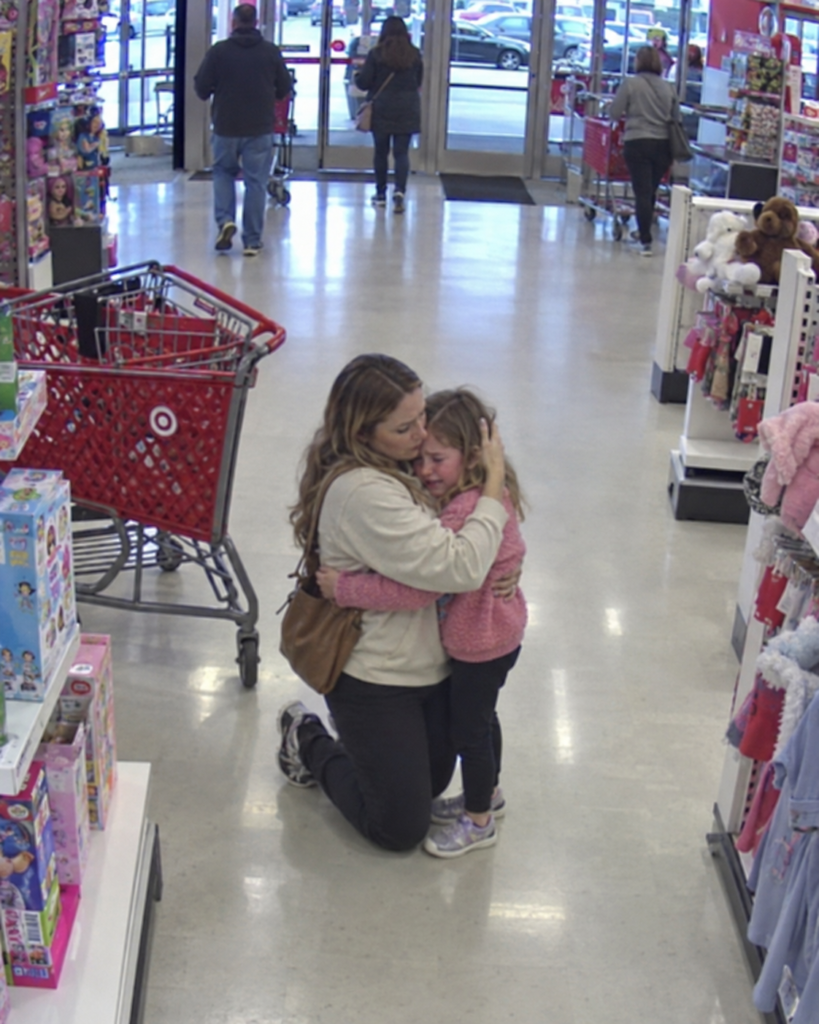
Near midnight, I left.
I had three bags.
My grandmother’s quilt.
And the worn brass rabbit keychain she had carried everywhere.
I remember standing in the driveway and looking back at the house.
The windows were dark.
The place still smelled faintly of lemon verbena and polished wood.
Inside the guest room, clean towels had been folded neatly, waiting for a visit that would never happen.
I sat down and cried until the sky began to lighten.
Then my phone started buzzing.
Message after message.
Threats.
Insults.
Accusations.
Finally, Jason sent one that made my stomach tighten.
Enjoy it while you can. Dad says we are coming tomorrow to collect what belongs to us.
I forwarded the message to Matthew.
His response came almost immediately.
Do not open the door for anyone except me.
The next morning, he arrived carrying coffee, legal files, and the calmest expression I had seen in weeks.
He wasn’t alone.
Carlos, my grandparents’ estate manager, came over from the guest house.
He told us something I hadn’t known.
The security cameras had captured my father and Jason entering the house after the funeral.
They had removed watches and electronics.
They had apparently decided that some of my grandparents’ belongings were already theirs.
Then Dorothy, my grandmother’s longtime housekeeper, found something even more important.
Journals.
Years of them.
My grandmother had documented everything.
Loans.
Requests for money.
Threats.
Insults.
Family arguments.
Promises that were never kept.
And, alongside all of it, she had documented my visits.
Every Sunday I came with soup.
Every time I brought flowers.
Every time I helped with something around the house.
Every time I sat beside them simply because I wanted their company.
I had never kept track.
Grandma had.
By that evening, the dining table was covered with evidence.
The will.
The officially recorded deed.
Financial records.
A USB drive.
My grandmother’s journals.
Cease-and-desist notices.
And documents proving exactly what my grandparents had intended.
That’s when I finally understood.
They hadn’t simply left me their wealth.
They had built a shield around me.
They knew what my family was capable of.
They had anticipated the fight.
And they had prepared for it.
At 9:45 the following morning, four vehicles entered the driveway.
I watched from inside.
My father stepped out first.
He was dressed as though he were arriving at an important business meeting.
My mother followed, wearing sunglasses even though the sky was cloudy.
Jason slammed his door and smiled when he looked toward the house.
Aunt Pam pointed toward the building as though she were already deciding which rooms would belong to her children.
Then the doorbell rang.
Once.
Twice.
Then the pounding began.
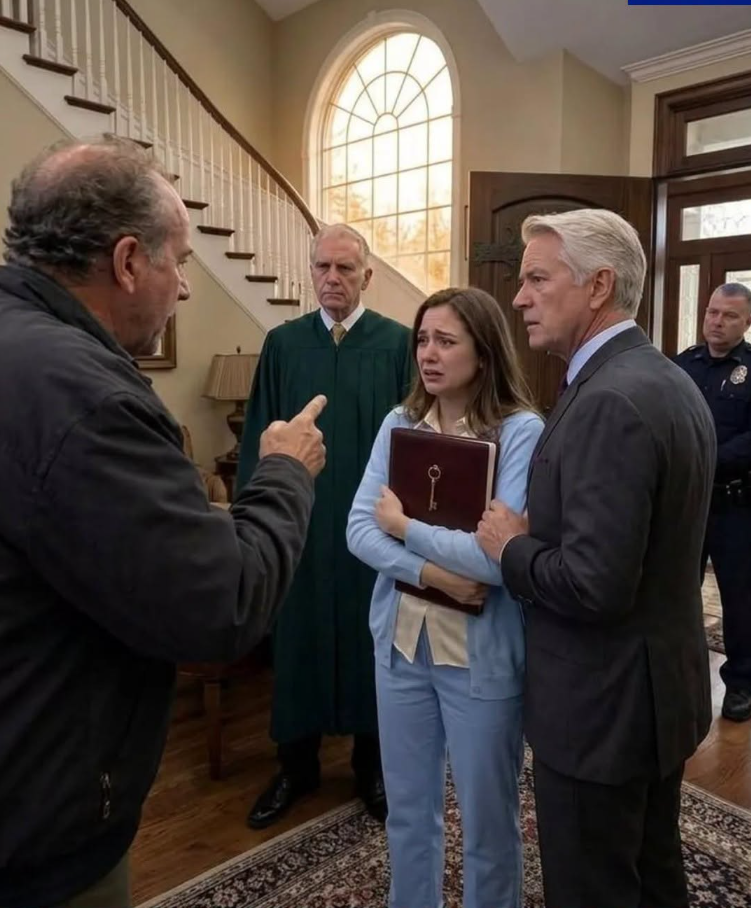
I stood in the entrance hall, holding the folder tightly against my ribs.
My heart was beating so hard I could hear it.
Matthew looked at me.
Then he nodded toward Carlos.
Carlos walked to the door.
And opened it.
My father stepped onto the threshold.
“Where is Natalie?”
Then he saw me.
His expression changed.
His eyes moved toward Matthew.
Then toward the folder in my hands.
He suddenly realized that this wasn’t going to be the confrontation he had imagined.
But he still didn’t understand what was waiting behind me.
Matthew stood beside me.
Carlos was near the doorway.
And behind us, inside the house my grandparents had deliberately left to me, were people my father had never expected to see.
My grandparents’ trusted financial adviser.
Their estate representatives.
And the evidence they had spent years preserving.
My father stared into the hallway.
For the first time, he looked uncertain.
Matthew stepped forward.
“You should have read the will more carefully.”
My father scoffed.
“We’re family.”
Matthew didn’t raise his voice.
“Then you should have behaved like family.”
The words landed harder than shouting ever could.
My father demanded to know what right I had to keep the estate.
Matthew explained.
The will was valid.
The deed was recorded.
The estate had been structured deliberately.
My grandparents had anticipated challenges from relatives who might claim that I was too young, too inexperienced, or simply incapable of managing what they had built.
They had prepared for every argument.
Every document was in order.
Every transfer had been properly recorded.
Every major asset was accounted for.
And my grandparents’ wishes were unmistakable.
My father threatened to challenge the inheritance.
Matthew didn’t flinch.
“You’re free to do that,” he said. “But you should understand what will become part of the record.”
The messages.
The letters.
The financial records.
The unpaid loans.
The threats.
The demands for money.
The evidence from the security cameras.
My grandmother’s journals.
Everything would be presented.
My father looked toward my mother.
She suddenly seemed less certain.
Jason stopped smiling.
Aunt Pam lowered her hand.
The family that had arrived expecting to take control of my grandparents’ home now stood in the doorway realizing they had walked into a situation they couldn’t bully their way out of.
My grandparents had seen them clearly.
They had simply remained kind without becoming careless.
In the weeks that followed, the attempts to change my mind continued.
There were apologies.
There were emotional phone calls.
There were accusations.
There were claims that I was destroying the family.
But eventually, the pattern became obvious.
They wanted the money.
They wanted the house.
They wanted access to the estate.
What they didn’t want was accountability.
So I stopped arguing.
I followed Matthew’s advice and allowed my attorney to handle the communication.
And slowly, the noise disappeared.
The house became quiet again.
But this time, the silence didn’t feel empty.
It felt protected.
I continued teaching kindergarten.
That was one decision I never questioned.
My grandparents had left me $26 million, but they had never wanted me to become someone else simply because I had money.
They had chosen me because of who I already was.
So I decided to honor them in a way that reflected what they had taught me.
I established the Harold and Elizabeth Alexander Foundation for Education.
I placed $10 million into it.
The foundation supported scholarships, classroom grants, vocational programs, and families struggling to provide educational opportunities for their children.
It was money my grandparents had earned.
But it was now doing exactly what they had taught me money was supposed to do.
Protect something good.
Months later, I visited their graves.
I brought flowers and sat there for a long time.
I told them about the foundation.
Then I told them about the first scholarship winner.
She was a young woman who dreamed of becoming a teacher.
I imagined Grandma smiling.
I imagined Grandpa nodding.
And for the first time since their deaths, I didn’t feel only sadness.
I felt understanding.
I finally understood why they had chosen me.
It wasn’t because I was their favorite.
It wasn’t because I needed the money most.
And it certainly wasn’t because they believed I would simply protect their fortune.
They chose me because they had already seen what I did when there was nothing in it for me.
I showed up.
I listened.
I helped.
I brought soup.
I brought flowers.
I fixed phones.
I sat at their table.
I loved them without expecting anything in return.
That was the inheritance they were really leaving me.
The $26 million was simply the tool.
The true legacy was the lesson behind it.
Family isn’t defined by who demands a place at the table.
It is defined by who sits beside you when there is nothing to gain.
It is defined by who protects your name when you aren’t there to defend it.
And love, I finally realized, is the only inheritance that cannot be divided, transferred, or stolen.
My parents thought they were coming to take my grandparents’ house.
They thought the front door would open to an inexperienced woman they could pressure into surrendering everything.
Instead, that door opened onto the truth.
My grandparents had planned for this.
They had protected their wishes.
They had protected me.
And when my family finally came to claim what they believed belonged to them, they discovered something they should have understood from the beginning:
The estate was never theirs to take.
It was my grandparents’ final act of love.
And I intended to spend the rest of my life making sure that love meant something.