“You selfish little monster!” dad roared. “your sister could die because of you!” mom grabbed my arm. “she’s family. you owe her.” i wiped the blood from my split lip. “then find another donor.” i walked out—and stopped paying every bill they depended on. by midnight: 127 missed calls.
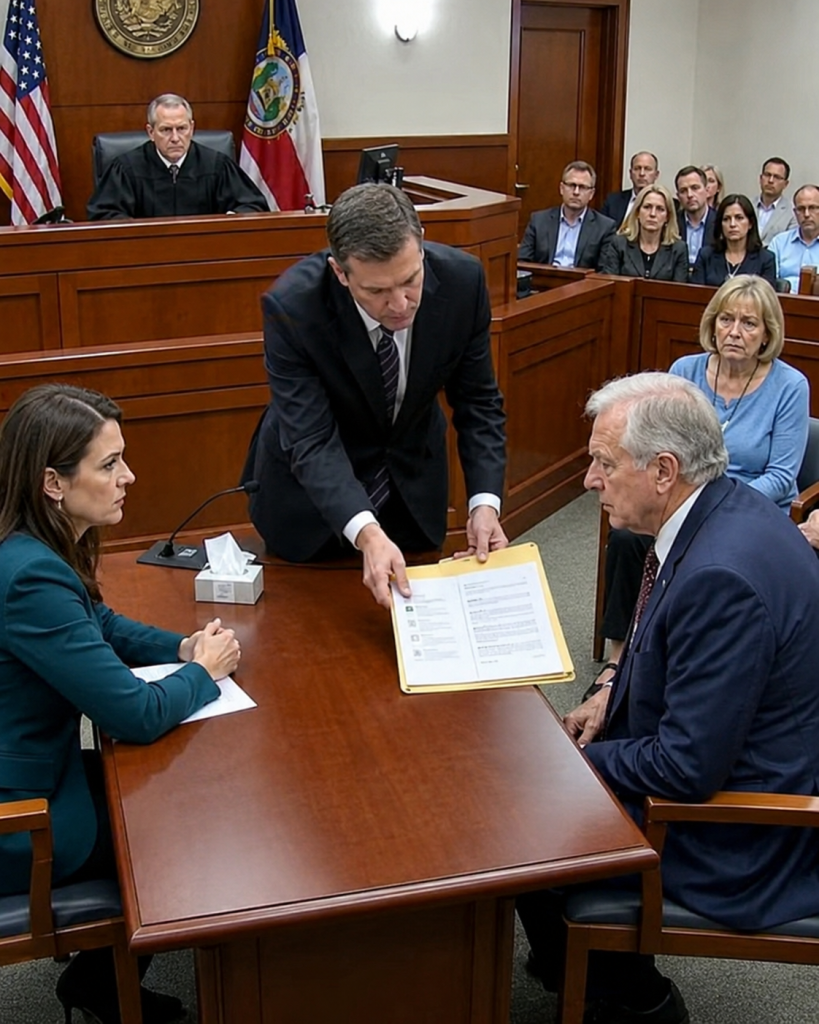
He wore a dark suit, his attorney beside him, my mother seated directly behind his shoulder. Six weeks earlier, he had slapped me across the mouth because I refused to promise my kidney to my older sister. Now he looked at the judge and said the same thing he had been saying for months.
“My daughter is sick. We asked Rachel for one thing.”
One thing.
I kept my hands folded over the manila folder in front of me and said nothing. Dad mistook silence for weakness. He always had.
What he did not know was that the folder held the one thing he never expected me to keep: his own words, in order, with dates.
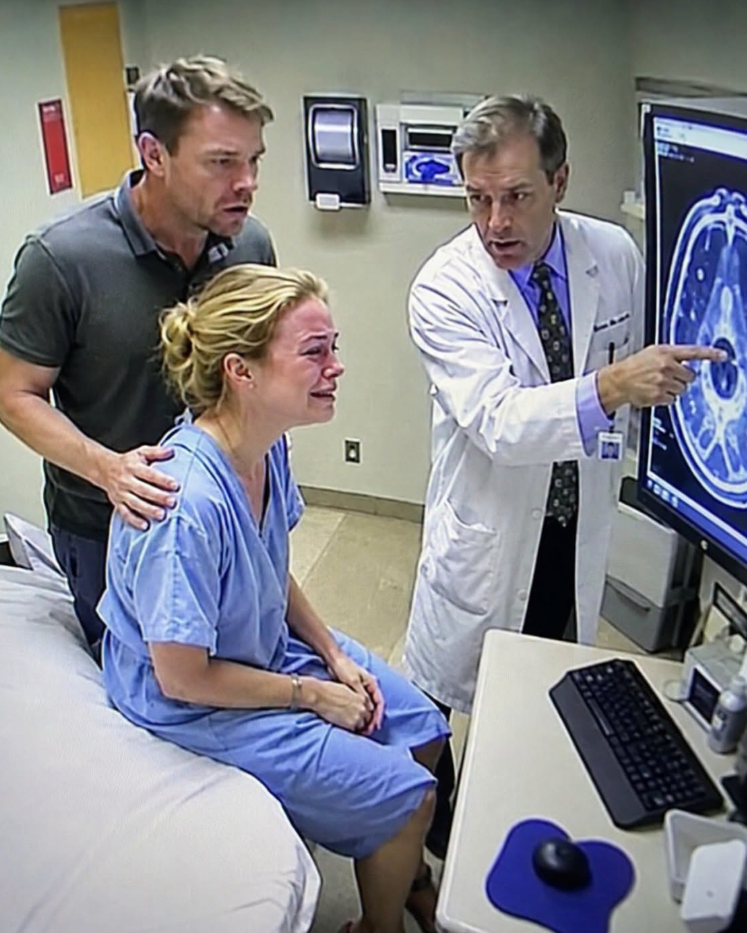
It had started in a transplant clinic under fluorescent lights. Claire was pale, exhausted, and living around dialysis appointments. I had agreed to be evaluated as a possible living donor. That was all.
The clinician explained that donation was voluntary at every stage.Claire turned toward me. “They already said you’re compatible enough to move forward. I don’t know why we’re still pretending this is a question.”
I told them I was still deciding whether I wanted to donate.
Dad exhaled. “We are not starting over. Rachel already got this far.”
For most of my life, my family called me “the healthy one.” By adulthood, it had become an assignment. I drove Claire to appointments, handled paperwork, and for seven years sent my parents $600 every month toward their mortgage gap.
“The healthy one carries what the sick one can’t,” Mom used to say.
I had repeated it so often that I stopped hearing what it meant.
At my parents’ house after the transplant appointment, Dad said we were “settling this today.”
I said a preliminary match did not make me a donor.
Mom gripped my forearm. Claire stared at me and asked, “You know what dialysis is doing to me, and you can still say no?”
Every answer my family had trained into me came rushing back.
No decent sister could.
No loving daughter would.
No healthy person should.
I pulled my arm free and said, “Yes.”
Dad moved before I understood he was moving.
The slap snapped my head sideways. My lip split against my teeth.
Claire whispered, “Dad.”
Mom looked at me, but instead of asking whether I was hurt, she said, “Look what this is doing to your father.”
That was the moment something in me finally went quiet.
I wiped my lip and said, “Then find another donor.”
Dad pointed at me. “You don’t get to back out now.”
I picked up my purse.
“Watch me.”
That night I went to urgent care, then to the police station. By midnight my phone showed 127 missed calls.
I did not block them.
I preserved them.
Calls. Voicemails. Texts. Originals.
At work, I handled public communications for a library system. When bad information spread, I tracked versions, counted sources, and saved original language.
For the first time, I treated my family the same way.
The next morning, I met privately with the donor advocate. I withdrew from the process voluntarily and made sure the record said exactly that.
Then Aunt Teresa called.
“Your dad said the surgery was basically set.”
I asked her to forward the original email.
Not a screenshot.
The original.
A few minutes later, it landed in my inbox.
Subject: Claire update.
Halfway down was one sentence that made my hands go cold.
Rachel has agreed to be Claire’s donor and we’re moving towards surgery.
I checked the date.
Then I opened my secure donor records.
Dad’s email had been sent before my private donor-consent appointment. Before anyone had sat me down without my parents or Claire in the room and asked whether I actually wanted to continue.
He had not misunderstood my no.
He had announced my yes before I had one.
More original messages arrived from relatives.
Rachel is being evaluated.
Early results look promising.
Rachel looks like the donor.
Rachel has agreed to donate.
Then, after I refused:
Rachel backed out at the last minute.
Possibility had become likelihood. Likelihood had become plan. Plan had become promise.
And promise had become debt.
So I built a chronology.
On one side: what I actually said.
On the other: what Dad told people I said.
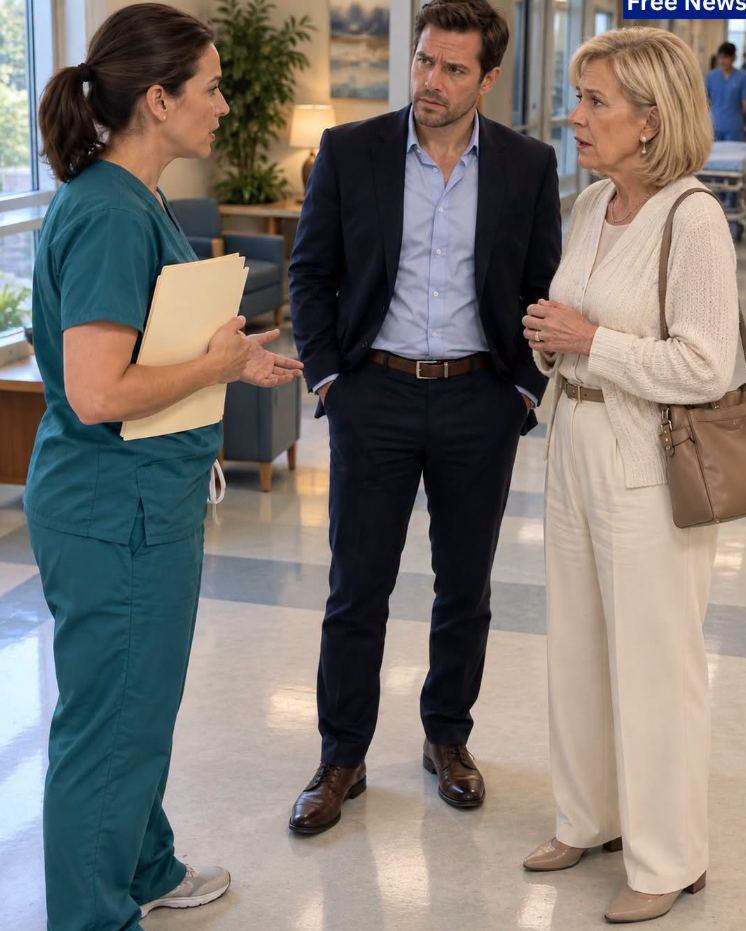
Weeks later, after criminal release conditions restricted his contact with me, Dad came to my workplace because Claire was in the hospital. Reception refused to give him my location. He was told not to enter the employee area.
He crossed a marked staff-only door anyway.
Security documented it.
No adjectives.
No family interpretation.
Just dates, instructions, witnesses, and what he did after being told to stop.
Now all of it sat inside the folder beneath my hands in county court.
Dad’s attorney described him as a frightened father under extraordinary pressure. Dad leaned forward and repeated that Claire was sick, that I was healthy, that I had a good job and my own place.
“We asked her for one thing,” he said again.
The judge looked at me.
“Miss Mercer, what are you asking this court to protect you from?”
I did not tell 38 years of history.
I opened the folder.
My attorney slid the first email toward the judge.
Dad was still watching me like he expected guilt to do what it had always done.
Then the judge looked down at the date on his message.
His expression changed.
Dad’s attorney reached for the next page.
And for the first time, my father stopped talking…
Part 2:
My father’s hand hit my face before I finished saying no. The sound came first, a flat crack in my parents’ living room, then the metallic taste.
“You selfish little monster,” Dad shouted. “Your sister could die because of you.”
Mom’s fingers tightened around my arm. Claire sat three feet away, pale beneath the yellow light, watching me press two fingers against my split lip.
For 38 years, my family had called me the healthy one. That afternoon, I finally understood it had never been a description. It was a job title.
I wiped my mouth with the back of my hand and looked at my father. “Then find another donor.”
I walked out before any of them could answer.
By midnight, my phone showed 127 missed calls. I didn’t block them. I silenced the phone, turned it face down, and let every timestamp keep recording itself, because among all the accusations, one sentence from Dad bothered me more than the rest.
“You don’t get to back out now.”
There was only one problem. I had never agreed in the first place.
Four hours earlier, I had been sitting beside Claire in a transplant clinic, still trying to convince myself my family understood the difference between being evaluated and saying yes.
The examination room was too bright, the kind of white light that flattened every face. Claire sat on the paper-covered table with her hands folded loosely in her lap. She had lost weight over the past year. Her cheekbones looked sharper, and the gray cardigan hanging from her shoulders seemed too large.
Mom sat beside her. Dad stood. He always stood in medical appointments, as if sitting would imply there was something happening he couldn’t control.
I had taken the chair closest to the door. That was an old habit I had never examined.
The clinician reviewed Claire’s kidney function, the current treatment plan, and the transplant evaluation process. I listened because listening was what I did at work. People sent me six versions of the same announcement and expected me to know which sentence could survive public scrutiny.