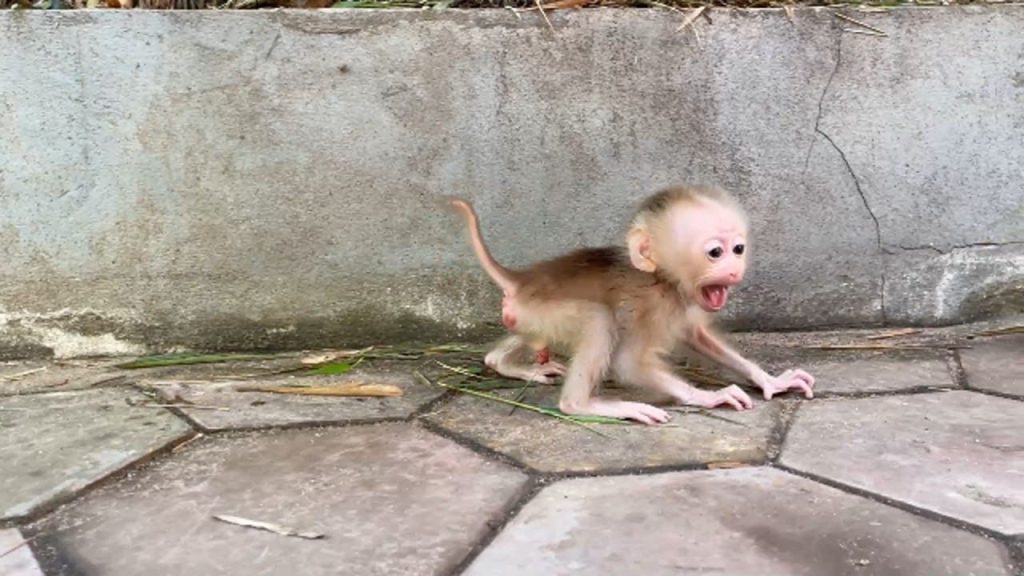
Selena did not mean to overreact, but her heart felt bigger than her tiny body. When Dad tried to communicate with her that morning, his calm voice sounded confusing, almost too serious. Selena froze, staring at his face, searching for comfort in his tone. Instead of understanding, her emotions rushed out all at once.
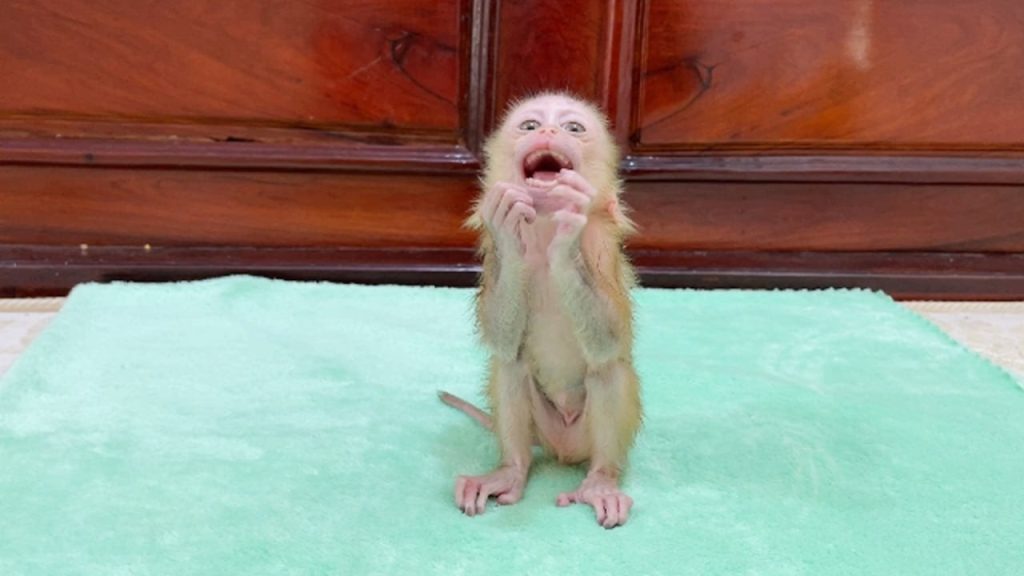
Her eyes widened, lips trembled, and a sharp cry escaped her chest. Dad hadn’t raised his voice, hadn’t done anything wrong, yet Selena reacted as if the world had suddenly become unsafe. She waved her little arms, shaking her head, refusing to listen. Every word Dad spoke felt overwhelming, like too much information for such a small heart.
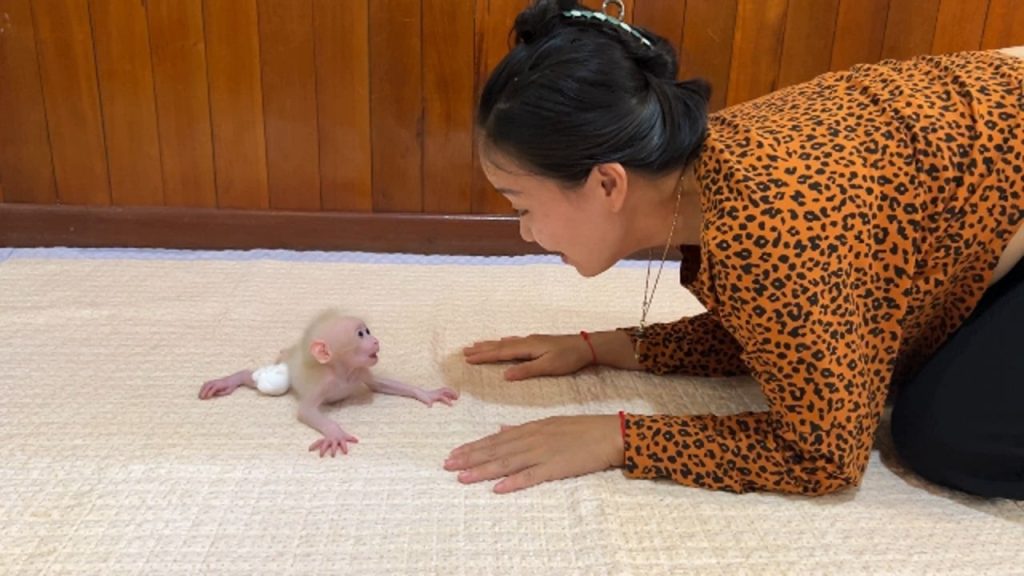
Dad leaned closer, trying to explain with gentle gestures. That made Selena even more dramatic. She screamed louder, her face scrunching tightly as tears spilled down her cheeks. Her body leaned backward, then forward again, torn between wanting comfort and pushing it away. Communication, for Selena, felt like pressure instead of connection.
She glanced at Dad again, making sure he was still there. Seeing him didn’t calm her immediately. Instead, she cried harder, as if saying, “I don’t understand you, and that scares me.” Her voice cracked, turning the moment into pure emotion rather than reason.
Dad stayed patient. He lowered himself, softened his eyes, and stopped talking. The silence slowly wrapped around Selena like a blanket. Her cries weakened, turning into small hiccups. She inched closer, still suspicious, but no longer afraid.
When Dad gently touched her hand, Selena didn’t pull away. She sniffed, wiped her face against her arm, and rested her head near him. The storm passed as quickly as it had come.
Selena wasn’t angry. She was overwhelmed. Her reaction wasn’t rebellion—it was sensitivity. In her world, feelings speak louder than words. Dad finally understood that sometimes, the best communication isn’t talking at all, but simply staying close until the heart feels safe again.