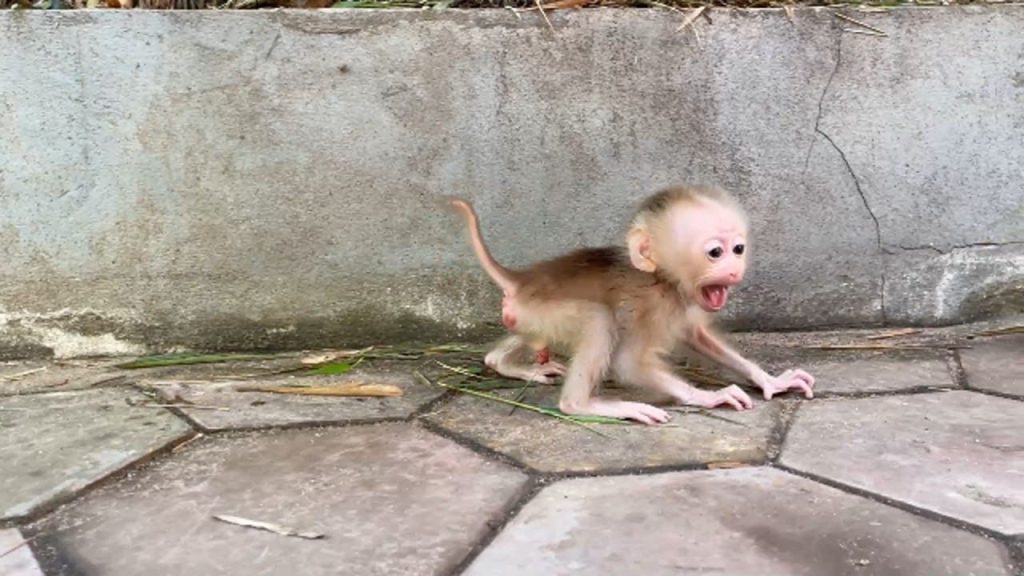
The second day felt heavier than the first.
A Tong sat quietly in the same spot, eyes fixed on the doorway where his old mom used to appear. Yesterday, he had cried loudly, certain she would come back if he called long enough. Today, he didn’t scream. He just waited.
His little hands rested on the floor, fingers curled, body still. Every sound made him lift his head in hope—footsteps, voices, even the wind. But each time, it wasn’t her. The disappointment settled deeper into his chest, pressing down like something he couldn’t understand.
A Tong remembered her warmth, her smell, the way she used to hold him close. Those memories made his eyes sting. He let out a soft whimper, then stopped himself, as if crying no longer felt useful. Waiting quietly felt safer than hoping too loudly.
Time passed slowly. Hunger came, but he ate without excitement. Toys were nearby, but he didn’t touch them. His world had shrunk to one question: Why hasn’t she come back? Babies don’t know reasons. They only feel absence.
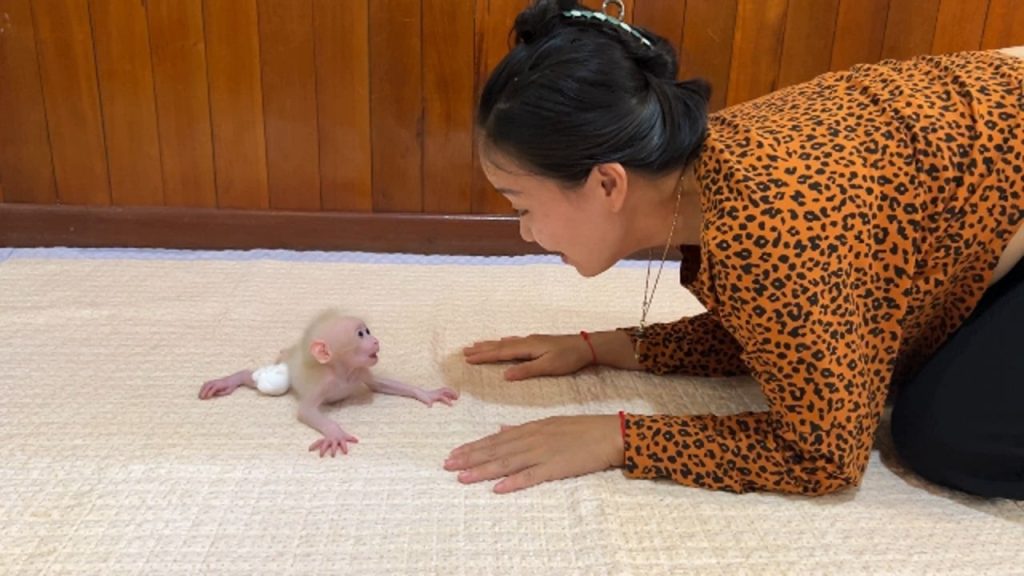
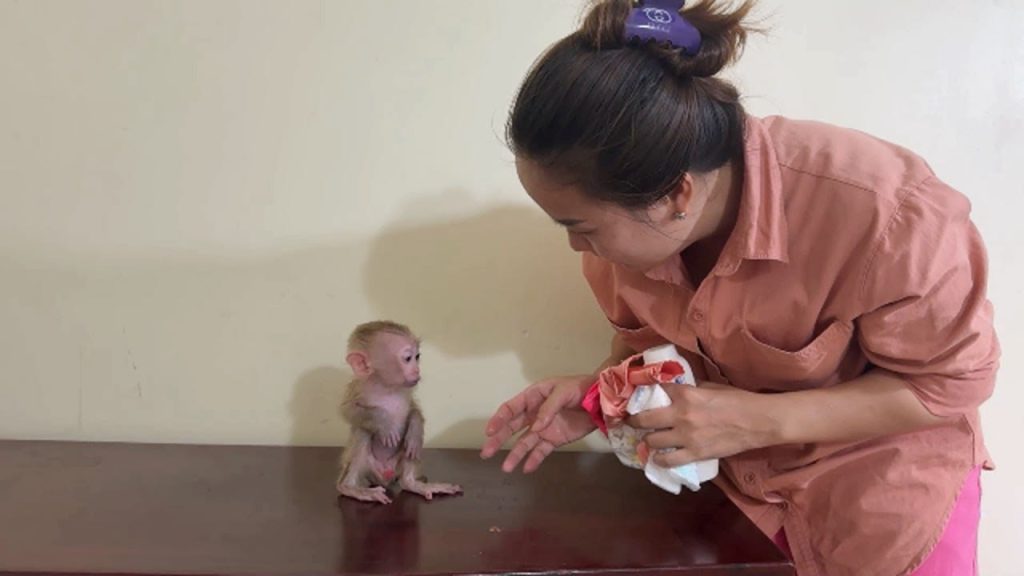
Caregivers watched him carefully. They spoke gently, offering comfort, but A Tong pulled away slightly, unsure. His trust felt shaken. Love had left once—what if it left again?
In the afternoon, he crawled toward the doorway and sat there again, back straight, eyes tired. The disappointment finally spilled over. Tears rolled silently down his cheeks. No screaming. No anger. Just quiet heartbreak.
Someone sat beside him, close but not forcing. A warm hand rested near his back. A Tong hesitated, then leaned into it. Not fully. Just enough.
That small lean mattered.
By evening, exhaustion won. A Tong fell asleep, still facing the doorway, but breathing calmer. His old mom didn’t come back that day. But something else arrived slowly—new warmth, new patience, new presence that stayed.
A Tong didn’t know it yet, but disappointment doesn’t always mean the end of love. Sometimes it’s the painful beginning of learning that love can change, and still be real.