PART 2
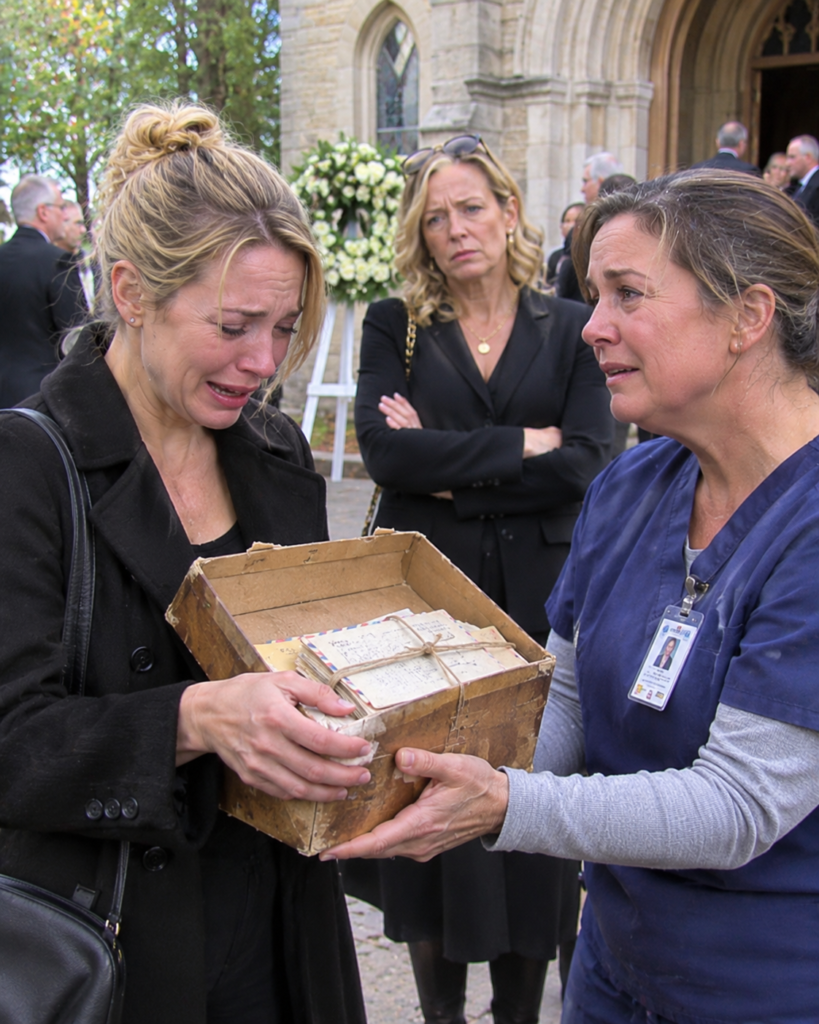
I stood up from the curb with the shoebox in my arms.
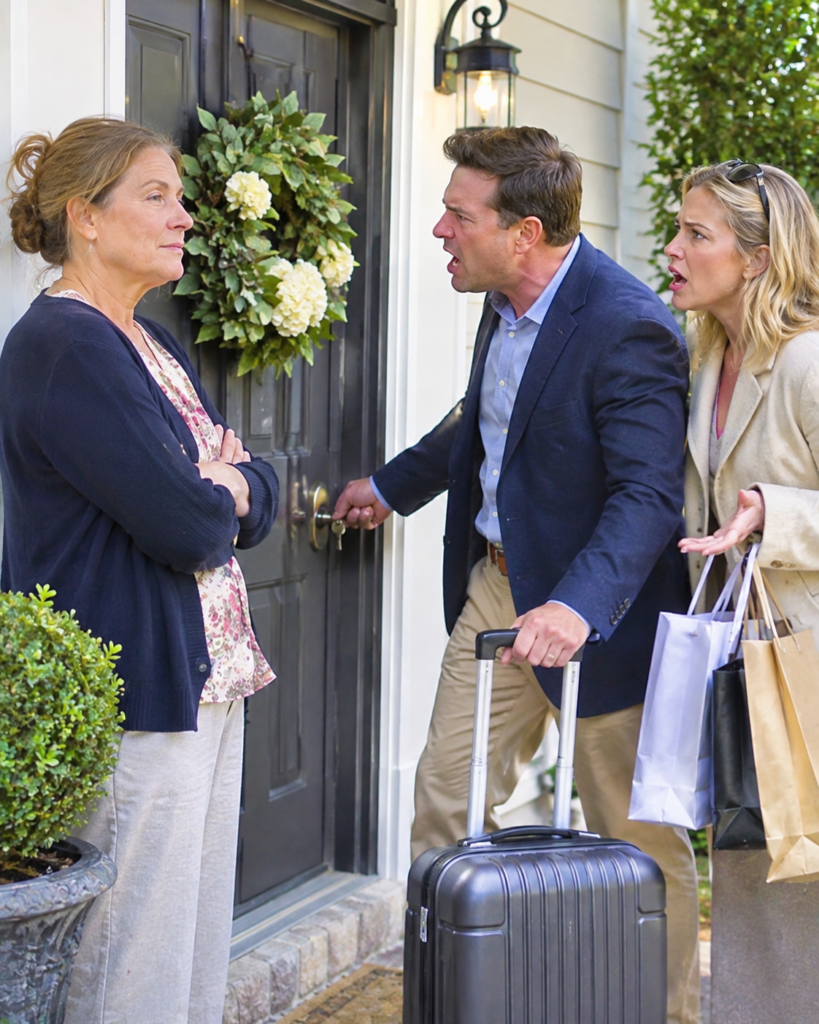
“Maura,” I said. “Did you tell Dad I didn’t want to come?” She crossed her arms.
“You moved away. I took care of him. I gave up everything. I deserved—”
“Did you change my phone number in his phone?”
She didn’t answer.
Dora did.
“He used to ask me to call you,” she said quietly. “I’d dial the number saved under ‘Collie.’ It went to a voicemail that wasn’t yours. A woman’s voice. I always thought that was strange.”
My sister had changed my contact in my father’s phone. To her own second number.
Every call he’d made to me in eight months, she’d answered. Or ignored.
Every letter, she’d thrown away.
I went to see a lawyer in Albany the next morning. I brought the shoebox and Dora’s phone number.
The new will had been signed eighteen days before Dad died. It left everything to Maura. The house. His savings. His pension. The old will, from ten years before, had split everything between us equally.
My lawyer requested Dad’s hospice records.
Dora had documented everything. In her nurse’s notes, on the day the will was signed:
“Patient unresponsive. No verbal response for 48 hours. Daughter Maura present with attorney. RN advised patient not able to communicate. Daughter insisted on proceeding.”
The signature on the will was a shaky “X.”
The court threw out the new will. A judge called it “an outrageous exploitation of a dying man.” The old will was restored.
But that wasn’t the end.
The lawyer found that Maura had been writing checks from Dad’s account for a year. A new car. Her credit card bills. Almost $48,000.
She was charged with financial exploitation of a vulnerable adult. She pleaded guilty and was ordered to pay it all back to the estate.
I don’t speak to her anymore.
I sold Dad’s house in the spring. I gave Dora a share of my part. She tried to refuse. I didn’t let her.
“You were the only one who mailed his letters,” I told her. “Even if they took two years to get there.”
I kept the shoebox.
Every night for a month, I read one letter before bed. Forty-six nights. My father talking to me. Telling me about the birds at his feeder. The Red Sox. The dog on his old route who still waited at the fence for him.
The last one I read was the first one he wrote.
“Dear Collie. I’d give anything to see your face.”
I flew back to Albany on his birthday and went to his grave.
I brought one letter of my own. I’d written it on the plane.
I didn’t need to mail it.
I read it to him out loud.
THE END.