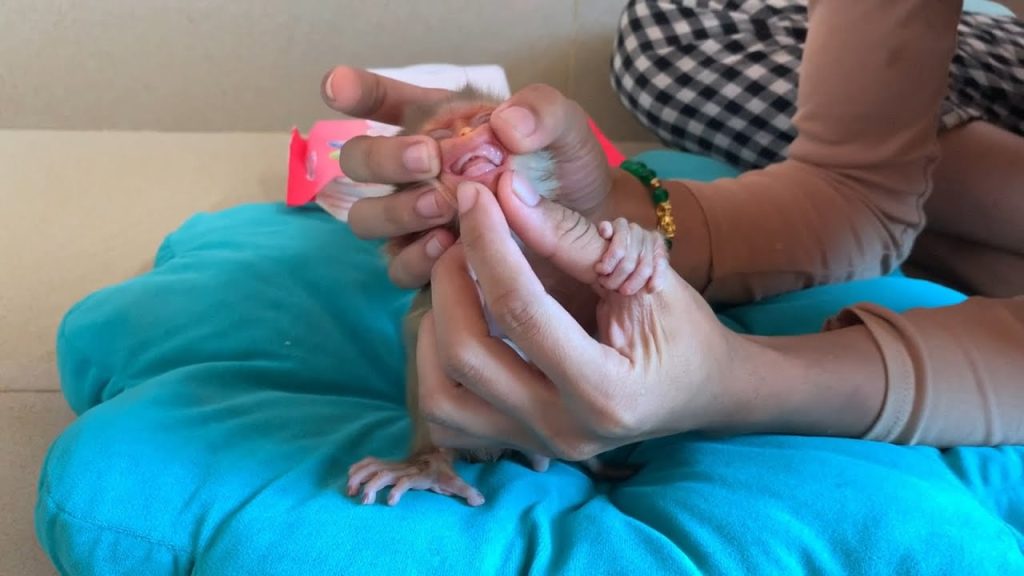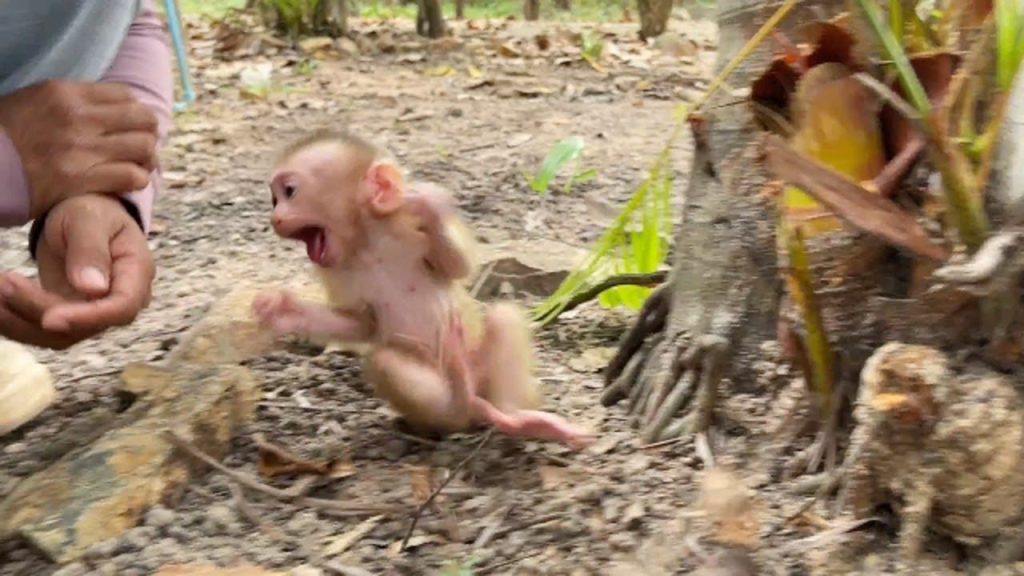
Ronaldo was happily playing, his tiny hands busy and his face full of curiosity, until he noticed something that changed everything. Mom slowly stood up and began to walk away, trusting that he could play alone for a moment. To Ronaldo, that small action felt like a huge loss. His eyes widened, his lips trembled, and before anyone could react, he burst into loud, desperate cries.
He threw his tiny body forward, reaching out with both arms, begging her not to leave. His cry wasn’t just noise—it was fear, confusion, and deep attachment pouring out all at once. Ronaldo didn’t understand the idea of “alone time.” He only knew that mom was his safety, his world, his comfort.
His tantrum grew stronger. He kicked the floor, arched his back, and screamed with all the strength his small lungs could manage. Tears streamed down his cheeks as he watched mom move farther away. To him, every step felt permanent. The toys around him suddenly meant nothing.
Mom turned back, her heart breaking at the sound of his cries. She tried to reassure him with gentle words, explaining she was still nearby. But Ronaldo couldn’t hear logic through fear. He cried harder, his little chest rising and falling quickly, overwhelmed by emotion.
Finally, mom came back and knelt beside him. The moment Ronaldo saw her close again, his cries shifted from anger to relief. She picked him up, holding him tightly against her chest. His stiff body slowly relaxed, his sobs turning into soft sniffles. Tiny fingers grabbed her clothes, afraid to let go again.
As mom rocked him gently, Ronaldo’s breathing calmed. His eyes stayed fixed on her face, making sure she wouldn’t disappear. That tantrum wasn’t about being spoiled—it was about love and trust still learning how to feel safe.
For babies like Ronaldo, independence comes slowly. They don’t cry because they want control; they cry because connection matters more than play. In mom’s arms, Ronaldo felt whole again, reminded that even if she steps away, her love never leaves.