The first thing I lost after my husband died was the right to ask questions without someone calling me confused.
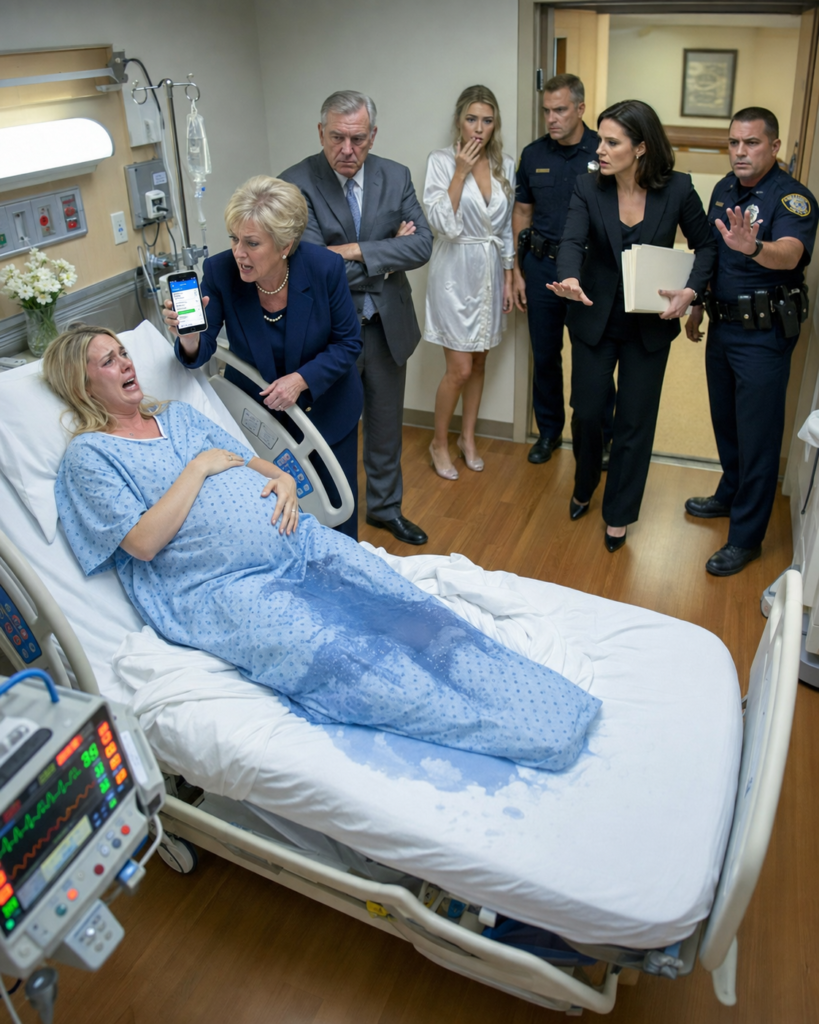
“Your late husband left almost everything to your son,” Robert Sterling told me. We were in a conference room in downtown Hartford, three weeks after Randall’s funeral. My son, Andre, sat beside his wife, Melissa. Their expensive coats hung neatly behind them.
I was still wearing my wedding ring.
“What about me?”
Melissa tapped one manicured fingernail against the table.
“You get the cabin, Mother Henrietta.”
The cabin was in Beacon Falls. Randall had bought it long before our marriage. It had peeling siding, patched shingles, and plumbing that worked when it felt charitable.
The family home, investments, and business interests were listed at roughly two and a half million dollars.
Andre would control them.
I would have a place to sleep, provided the roof held.
“Randall would never do this.”
Andre finally looked at me.
“Dad was very specific. He felt you’d lived comfortably long enough.”
I stared at the boy whose fevers I had stayed awake through, whose college applications I had proofread, whose wedding I had helped pay for.
“You’re still young enough to work,” he added.
I was sixty-two. Arthritis made buttons difficult some mornings. My cardiologist had recently told me to take stairs slowly.
Sterling pushed a packet toward me.
“Are you challenging his capacity?” Andre asked. “Because we have medical documentation.”
I had asked about my husband’s wishes. Somehow, I was already being warned about the consequences.
Sterling pointed to signature lines. He described the papers as acknowledgments and arrangements for transferring possession. I signed because he kept saying the estate plan was settled.
No one suggested I speak to someone who represented only me.
By Friday, Andre and Melissa were preparing to move into our Maple Ridge house.
Melissa handed me a cardboard box at the door.
“You forgot these.”
Randall’s glasses. His favorite pen. A photograph of us beside a lake, taken before Andre was born.
Underneath lay a small brass key tied to a paper tag.
Beacon Falls.
Randall had whispered those words during his last days. I had leaned close, thinking he wanted to remember a fishing trip.
Now I slipped the key into my coat.
Melissa looked past me toward the driveway.
“The cabin is where you belong now,” she said, with a little laugh that made me feel foolish for still standing there.
I drove away in my old Honda. Andre had called it mine because he didn’t want it.
For three weeks, I learned the cabin’s inconveniences.
A saucepan caught rain beneath the bedroom window. The stove needed coaxing. The cold seemed to come through the walls rather than around them.
I stretched what remained of my personal checking account and waited for my next Social Security payment.
At night, I missed Randall so fiercely that anger felt disloyal.
Then, one Thursday morning in March, I heard someone speaking outside.
Miguel Rodriguez stood near the trees with his wife, Carmen, and their daughter, Sophia. The little girl wore two sweaters under a jacket that wouldn’t zip.
Their car had broken down several miles away. They had been trying to reach a man who had promised Miguel construction work.
His number was no longer answering.
“Have you eaten today?” I asked.
Sophia looked up.
“Mommy’s tummy made the hungry noise this morning.”
“Come inside.”
I made soup and sandwiches. Carmen kept apologizing for the mud on their shoes.
Miguel told me he could frame walls, repair roofs, and handle basic plumbing. Carmen had cleaned houses and cared for children. A lost job and a rent increase had become a motel bill, then an empty bank account.
“We’re not asking you to keep us,” she said.
“I know.”
Miguel noticed the dripping faucet.
“I can fix that before we leave.”
I watched Sophia tear her sandwich into small pieces, saving half beside her plate.
“For later,” she explained.
Something in me gave way.
“I have a better proposal,” I told Miguel. “I want to give you this cabin.”
Carmen shook her head immediately.
“You can’t.”
“I can decide what happens to the one thing they left me.”
“But where will you go?”
A woman from church had mentioned a room that might become available. I had been considering asking about it.
“I’ll figure something out.”
It was a reckless answer. I knew that even as I said it.
We agreed they could stay immediately and that we would arrange the paperwork when we could. I handed Miguel the ordinary door keys.
The brass one remained in my pocket.
As I packed my suitcase, Sophia walked across the room and stopped.
“The floor talks, lady.”
The boards groaned beneath her shoes.
“This house has plenty to complain about,” I told her.
The church room fell through. I spent several nights with an acquaintance, then a shelter worker found me a bed at St. Mary’s in New Haven.
I did not tell Carmen.
She had enough reasons to feel guilty.
Two weeks later, she called.
“Mrs. Henrietta, please come to the cabin.”
“Is someone hurt?”
“No. Miguel found something. We think it belongs to you.”
By then, the porch railing was straight and the window frames had fresh putty. A few hardy flowers stood in containers beside the steps.
Sophia led me inside.
“We found the talking place.”
One section of floor had sounded different. While replacing a damaged board, Miguel discovered the edge of a trapdoor concealed beneath the old flooring.
He had checked the cellar first and kept Sophia upstairs. Along one wall stood shelves, an old workbench, and a metal document chest.
Its lock was small and brass.
I took the key from my pocket.
It turned.
Inside were sealed packets, a recorder, and an envelope addressed in Randall’s handwriting.
For Henrietta, the truth about everything.
Miguel carried the chest into the daylight. We sat on the porch, and I opened the letter.
Randall wrote that he had become suspicious of Andre and Melissa. He had discovered discrepancies in business accounts Andre helped manage. When he asked questions, our son had begun pressing for changes to the estate.
Then came the sentence that made me stop breathing for a moment.
“The will Andre showed you was a draft I refused to sign.”
I read the sentence again.
Randall’s letter said he had ordered that draft while considering a business restructuring. He had rejected its terms. Beneath it lay a copy stamped UNSIGNED, a withdrawal letter, and the name of an independent attorney.
Miguel lifted a second envelope.
“There’s another will.”
“Don’t open anything else,” I said.
For the first time in weeks, I wanted a witness who wasn’t family.
Then my phone rang.
Andre.
“The shelter called your old number,” he said. “Why aren’t you at the cabin?”
I looked at Carmen, then at the documents.
“I gave it to someone who needed it.”
His voice sharpened.
“You gave away the property? Mom, tell me you didn’t let anyone under that house.”
I looked down at the open chest.
“Why?”
“The foundation is dangerous.”
“Since when?”
“Dad kept telling me he needed to check something underneath it. I told him to hire someone. Just stay out.”
I remembered Randall asking Andre to drive him to Beacon Falls near the end. Andre had called it another of his father’s confused ideas.
Now my son was afraid of a place he had insisted was worthless.
“I’ll call you later,” I said.
He began speaking again, but I ended the call.
The independent attorney named in the letter was Evelyn Shaw.
Her receptionist went quiet when I gave Randall’s name. Evelyn called back twenty minutes later.
“Mrs. Bennett, where have you been staying?”
I told her.
She exhaled slowly.
“Please bring the documents. Don’t give them to Mr. Sterling.”
I wanted her to say everything would be fixed.
Instead, she said, “We need to establish exactly what happened.”
That made me trust her.
Evelyn had prepared Randall’s later estate documents. Her office retained its own records, and the signed original will was there. Randall had placed copies and supporting materials in the cabin because he believed Andre was removing papers from his study.
She had tried to reach me at Maple Ridge. A letter had been returned. Calls had gone unanswered or reached Andre, who said I was staying privately with relatives.
I had left my phone behind during one hospital visit, then changed numbers after Andre canceled the family plan he controlled. Grief had made those small practical losses seem incidental.
Together, they had made me difficult to find.
“Why didn’t Randall just tell me?” I asked.
Evelyn folded her hands.
“He intended to. His illness progressed faster than he expected.”
The letter said more.
Randall had been ashamed that he had allowed Andre so much control. He had thought he could confront him, repair the accounts, and spare me the knowledge that our son had been taking money.
By the time he understood that secrecy had made everything worse, he was repeatedly hospitalized.
“I thought I was protecting you from heartbreak,” he had written. “I left you alone with it instead. I am sorry.”
I read that paragraph three times.
I loved him. I was furious with him.
Both feelings stayed.
The papers I had signed in Hartford required careful review. Evelyn explained that my signatures mattered, but they did not make every statement I had been told true or settle every right I might have.
The discovery was a beginning, not a verdict.
She helped me preserve the chest’s contents. Miguel wrote down when and how he found it. The recorder held a conversation Randall had saved and notes he had dictated for himself. Evelyn warned that any use of recordings would need legal review.
The stronger evidence was less dramatic: dated correspondence, the attorney’s file, financial statements, and the signed original documents.
The next week, Andre arrived at the cabin.
I was there with Carmen, sorting receipts for Evelyn.
He looked at the repaired porch, then at Miguel’s tools.
“What have you people been doing?”
“Fixing the roof,” Miguel said.
“This is family property.”
“It was left to me,” I said. “You made that very clear.”
Andre turned toward me.
“Mom, these people found you when you were vulnerable.”
“They found me when they were cold.”
“They’re living in your house.”
“And you’re living in mine.”
He glanced toward Carmen.
“Can we speak alone?”
“No.”
His face changed. He had expected shame to separate me from witnesses.
He offered to let me return to Maple Ridge. He said Melissa could prepare the downstairs bedroom. There had been misunderstandings. Sterling could explain.
“Have him speak to Evelyn Shaw.”
Andre’s mouth tightened.
“You don’t know what Dad was like at the end.”
“I know you threatened me with medical records when I asked a question.”
“You’re going to destroy this family over papers?”
I looked at his hands. They were so much like Randall’s that it hurt.
“You had a chance to bring me home before you knew I had papers.”
He left without answering.
That evening, Carmen placed her keys on the table.
“We can go,” she said. “We won’t be the reason he does this.”
I pushed them back.
“He was doing it before he met you.”
The case took months.

Evelyn obtained the filed estate papers. The supposed signed will was compared with the rejected draft and her office records. Signature questions required examination. Financial transfers required explanations. Court dates were delayed.
Sterling hired his own counsel.
Andre told relatives I had been manipulated by strangers. Some believed him. One cousin called to warn me that legal action would leave my son with nothing.
I was sitting in a shelter dining room when she said it.
“Did you call him when I had nothing?” I asked.
She didn’t call again.
The hardest offer came through Andre’s attorney.
Money now. A private settlement. An agreement broad enough to end further inquiry into the disputed documents and transactions.
It would have paid for a comfortable apartment immediately.
I held the proposal for an entire afternoon.
I was tired of communal bathrooms. Tired of carrying medication in a zippered pouch. Tired of being brave when all I wanted was a door I could lock.
Evelyn explained the choices without choosing for me.
Finally, I asked, “Would accepting this leave the record saying I agreed to what they did?”
“It could leave important questions unresolved.”
“Then I need those questions answered.”
That decision cost me another winter of waiting.
Carmen helped me apply for a modest apartment. Miguel drove me to appointments when he could, fitting them around the steady construction work he had found. I paid what I could toward groceries when I visited.
We stopped discussing who owed whom.
Eventually, the disputed will was rejected, and Randall’s later signed will was admitted. Its terms protected my home and provided for my support while leaving Andre a smaller, restricted interest rather than control.
The financial accounting continued beyond that decision.
Some money had been spent. Some was recovered. The house carried expenses I had never known about. My life returned in pieces, with invoices attached.
Sterling’s conduct went through separate proceedings. The disputed signatures and Andre’s handling of funds were referred for further investigation.
There was no single afternoon when everyone who had hurt me received a perfect punishment.
There was a written ruling. There were repayments. There were people who stopped returning Andre’s calls.
And there was the morning I unlocked Maple Ridge again.
Melissa’s furniture was gone.
My kitchen still smelled faintly of the lemon polish I had used for years.
I sat at the table and waited to feel victorious.
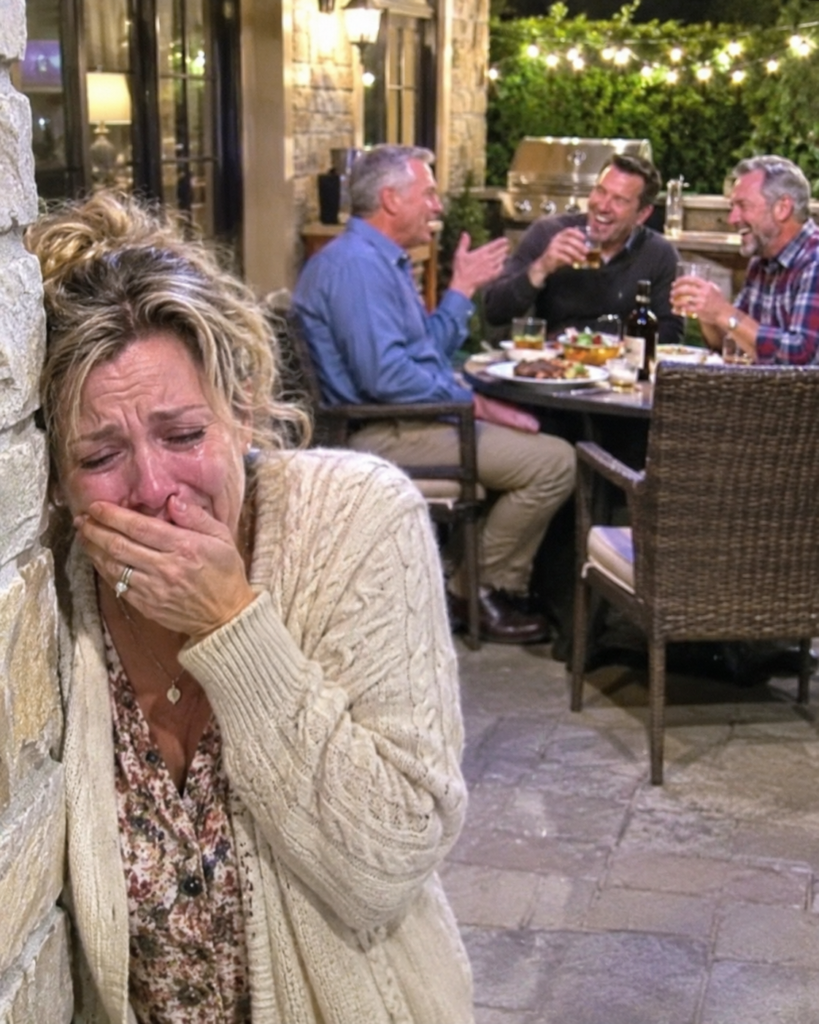
Instead, I cried for the woman who had left with a cardboard box because she believed she had no choice.
I stayed long enough to sort our belongings, then sold the house.
It was too large for me, with too many stairs and too many rooms where I would listen for footsteps.
I bought a smaller place near Carmen and Miguel.
Before the sale closed, Evelyn helped complete the cabin transfer properly. We documented what belonged to Randall’s estate and what would pass with the property, so there would be no future confusion.
Carmen cried when she saw their names on the deed.
“You promised this before we found anything,” she said.
“Yes.”
“You could have changed your mind.”
I touched the edge of the paper.
“I know.”
Andre wrote to me after the financial settlement.
His letter contained apologies and explanations. I read it carefully. There were things in it I wanted to believe.
I answered that rebuilding trust would require more than being sorry after the evidence appeared. For now, correspondence could go through Evelyn.
I did not know whether we would ever sit at a table together again.
I let myself stop knowing.
The following spring, Miguel invited me to dinner at the cabin.
The roof no longer leaked. The faucet was quiet. Sophia had a desk beside the window and a shelf for library books.
After dinner, she showed me the floor above the cellar.
Miguel had repaired it properly. The trapdoor remained accessible, with a safe latch and a light below.
“It doesn’t talk anymore,” she said.
“No?”
She stepped on the board. It stayed silent.
Then she took my hand and led me back toward the kitchen.
Carmen was packing leftovers into a container for me. Miguel asked whether I wanted tea before he drove me home.
Sophia pulled out a chair.
“This one’s yours, Grandma Henrietta.”
I sat down.
For months, people had argued over where I belonged.
No one at that table needed to.