I’m Carl, 38, and I never thought I’d be the kind of dad who’d sit staring at a half-melted birthday cake wondering what went wrong. But that’s exactly what happened the afternoon my son turned 7. We’d set up everything perfectly, balloons tied to the backyard fence, a brand new grill I’d bought just for the occasion, and my wife Rachel had even made his favorite chocolate cake with blue frosting.
My boy Max spent the morning checking the clock, asking when grandma and grandpa were coming. When Aunt Sarah would bring her dog when his cousins would show up.
I told him any minute now every time. But the minutes turned into hours and that yard stayed quiet except for the sound of the wind knocking a plastic cup off the table. To understand how painful that silence was, you’d have to know my family. We’re not the kind that forgets birthdays. At least not when it comes to my sister Sarah. She’s the golden child. Always has been.
Growing up, I was the quiet one. The one who didn’t cause trouble but somehow never did enough. When I graduated, mom clapped politely. When Sarah got her first internship, they threw a dinner party. Even as adults, the pattern stuck.
Every holiday revolved around her. Her job, her wedding, her pregnancy, her new house. And when I became a dad, it was like my milestones didn’t count. I told myself it didn’t matter. I had my own little family now, Rachel, Max, and me. But that barbecue changed something in me that day. It started weeks before the party.
I’d sent messages to our family group chat. Something cheerful, simple: Hey everyone, we’re having a small barbecue for Max’s birthday next Saturday. Burgers, cake, games. Would love to see you guys. Mom heart reacted the message. Sarah replied with a heart emoji, too, saying wouldn’t miss it for the world. Even Dad texted, “I’ll bring my famous potato salad.” Everything seemed fine.
Rachel even said, “See, maybe they’re turning over a new leaf.” She’s an optimist like that. She wanted to believe the best in them. I wanted to believe it, too. The day came and we got up early. I mowed the lawn.
Rachel set the table and Max helped me blow up balloons. I grilled some burgers just before noon because mom always complains when the food’s cold and kept an eye on the driveway. 1:00, 2:00, nothing. By 3, the burgers were cold and the ice cream cake had started to soften. Rachel tried to make small talk, playing upbeat music to keep the mood alive, but even she was glancing at her phone, checking if she’d missed a text.
Max sat in the grass, poking at an unopened bag of chips, whispering, “Maybe grandma’s car broke down.” My throat tightened. I told him, “Maybe, buddy. Maybe.” By 4:30, I gave up pretending. I cut the cake anyway, just so Max wouldn’t think the whole day was ruined.
He blew out his candles in front of two parents doing their best not to look heartbroken. I remember Rachel brushing a tear away and smiling too wide. The kind of smile that hurts your cheeks. “Make a wish,” she said brightly. Max took a breath and said, “I wish everyone could come next time.” I couldn’t swallow for a minute.
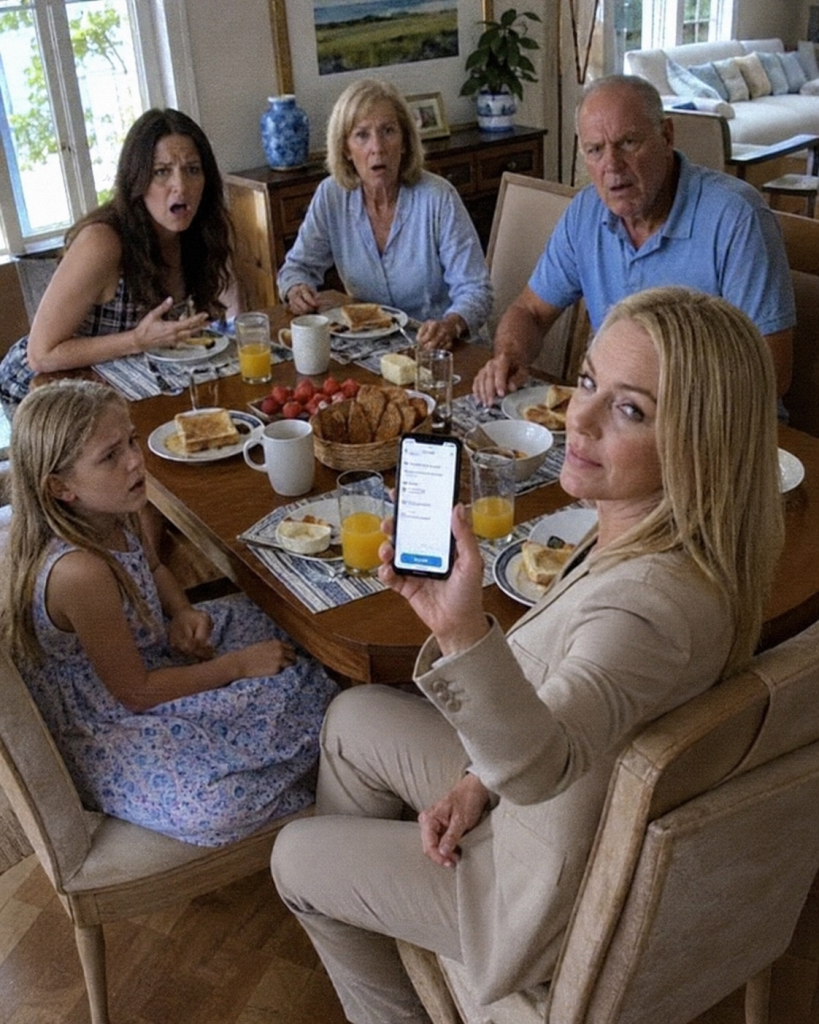
That wish hit me harder than anything. That night, I sent a short message to the group chat: “We missed you guys today. Everything okay?” No response. I thought maybe something serious had happened. Maybe Sarah went into labor early. Maybe dad had a health scare. I would have understood. But the next morning, I checked Facebook. There they were. Mom, dad, Sarah, her fianceé, and a few cousins all smiling at a fancy restaurant downtown. The timestamp right during our barbecue. The caption under Sarah’s photo read, “Pre-wedding brunch. So excited for everything coming up.” I just stared at the screen for a long time.
The smell of leftover smoke still in my shirt. Rachel came up behind me, saw the post, and whispered, “They didn’t even try to hide it.” A week passed before I heard anything. Then mom’s text popped up out of nowhere. Don’t forget Sarah’s bridal brunch next weekend. $1,500 per head. Formal attire. RSVP ASAP. That was it. No mention of Max, no apology, not even a how are you. I don’t know what I expected, but I guess it wasn’t that. My hands actually shook. I called Rachel over, showed her the message, and she laughed. A bitter, tired laugh. They can spend a small fortune on her brunch, but couldn’t even send a card for Max, she said. I didn’t respond right away. I just stared at the uneaten half of that birthday cake still sitting in the fridge. That’s when I took a photo of it, the lopsided icing, the untouched candles, and sent it to mom with a note. We’re busy that day. I thought that would be the end of it. Silence. Fine by me.
But 2 days later, I was out in the yard watering the plants when I heard the crunch of tires on the gravel. Dad’s old SUV pulled up fast. He slammed the door, stormed toward me, his face red. “You think that was funny, Carl?” he shouted before he was even halfway up the path. I froze. What are you talking about? I asked though I already knew. Your little stunt with your mother sending that picture disrespecting the family like that. His voice shook with anger. Your sister’s wedding is the biggest event of her life and you mock it with with cake. I blinked, trying to stay calm. You ignored your grandson’s birthday, Dad. I said quietly. You all said you’d come. He waited all day. He waved his hand like I was speaking nonsense. We had other plans. You can’t expect everyone to drop everything every time you throw a backyard barbecue. It was his birthday, I said. Sharper this time. He’s seven. Dad’s jaw tightened.
You’re being dramatic, he said, lowering his voice, but not his anger. Your mother’s been under a lot of stress with the wedding. Sarah’s handling so much. You could have been understanding instead of petty. That word, petty, it stuck to me like a splinter. I remember looking at him, realizing he truly didn’t see anything wrong with what they’d done. In his mind, I was the problem. The overreacting son, the one who should have smiled and said, “It’s okay.” While they erased my kid’s birthday from their calendar, something in me cracked then, not loudly, but deep. I didn’t argue. I just said, “You should go, Dad.” He laughed. That dry laugh I’d heard my whole life. “You’re overreacting like always.” He said, “You want to distance yourself from the family?” “Fine, but don’t you dare embarrass your sister. You’ll regret it.” He got back into his car, muttering as he drove away.
I stood there in the driveway, the hose still running, water pooling around my shoes. Rachel came out a moment later, eyes wide. “Did he really just?” She started. I nodded. She didn’t finish her sentence. Instead, she turned off the hose and just hugged me. “We’re done trying, Carl,” she said quietly. We’re really done. And I think that’s when the shift truly began. The slow unraveling that would turn into something bigger than either of us could have imagined because I wasn’t planning revenge yet. Not then. But something in me had changed. Something my parents wouldn’t see coming. And that shift, it started showing sooner than I expected. After that day in the driveway, I tried to move on. I really did. I told myself dad’s anger was just him being protective over Sarah, that maybe he’d calm down. But he didn’t. In fact, things only got stranger after that. The silence from my parents turned into a pattern.
Not the quiet kind where people cool off, but the deliberate kind where they wanted me to feel the distance. Calls went unanswered. Texts left on Reed. Even Rachel noticed it. “They’re icing you out,” she said one evening as we sat in the living room. Max asleep upstairs. It’s like they’re punishing you for standing up for him. I didn’t want to admit it, but she was right. My family had always used silence as a weapon. It’s how they controlled people. You fall in line or you get left out. About 2 weeks after the confrontation, I got a package in the mail. No note, no return address, but the handwriting on the label was unmistakably mom’s. Inside was a small white envelope with Sarah’s registry printed across the front in gold script. I opened it and found an invitation for her bridal shower, complete with a request for monetary gifts only and a QR code for approved contributions. I just sat there staring at it.
Rachel walked by and froze. You’ve got to be kidding me, she said. They actually sent this after everything. It wasn’t just that they invited us. It was how they did it. No apology for the barbecue. No mention of the argument with dad. Just a list of bank details for Sarah’s honeymoon fund. That night, Rachel and I had one of those long, tired conversations couples have when they’re worn down, but trying to stay graceful. Maybe we should just send something small, she suggested, just so they can’t say we didn’t. But the thought made me sick. They ignored our son’s birthday ratch. I said they ate brunch while he was blowing out candles alone. I’m not sending a scent. She sighed. I know. I just hate seeing you carry all this. It’s like they get to live guilt-free while you sit here hurting. She was right again. And I hated that she was because no matter how hard I tried to let it go, the hurt clung to me. I kept replaying Max’s words.
Maybe grandma’s car broke down. It made me furious that he still defended them. A few days later, mom finally broke the silence. I was at work when my phone buzzed with a message from her. Carl, I hope you’ve had time to think. Sarah would really appreciate it if you contributed something to her big day. Everyone else has already done their part. That was it. No greeting, no small talk, just guilt wrapped in polite words. I typed a response and deleted it three times before finally writing. We’ll have to pass. Please stop asking. A minute later, three dots appeared, then disappeared, then reappeared. Finally, she replied. I’m disappointed, but not surprised. I could almost hear her tone, the same one she used when I was a teenager and didn’t want to wear the suit she picked for prom. It wasn’t disappointment, it was control. Later that week, Rachel ran into my sister at a local store. When she came home, she looked shaken.
You won’t believe what she said. Rachel told me, setting her bag down hard. Sarah told me, “Mom said, “You threw a tantrum about the barbecue. That you embarrassed the whole family by making it about yourself.” I laughed, but it wasn’t the kind of laugh that feels good. Of course, she did, I said. Let me guess. She left out the part where they skipped it entirely. Rachel nodded. She said they didn’t come because mom thought it was too last minute and that you never confirmed the time. That one stung. I’d sent three reminders. My mom had literally liked the message with the time on it. They were rewriting the story again, just like they always did. It wasn’t the first time either. Growing up, whenever something went wrong, I was the default scapegoat. If Sarah missed curfew, somehow I was the bad influence.
If I got an A and she got a B, mom would say, “You must have had an easier teacher.” They twisted reality until it bent toward whatever narrative made Sarah shine and me shrink. Now, decades later, the pattern was repeating, just dressed in adult clothes. Except this time, it wasn’t just me they were ignoring. It was my son, and that crossed a line. A week before the wedding, Dad called out of nowhere. I hesitated before picking up. Carl, he said immediately, his tone clipped. Your mother tells me you’re being difficult. I’m being clear, I replied. We’re not contributing and we’re not coming to the brunch. There was a long pause. Then he said, “Do you even realize how ungrateful that sounds? Sarah has done everything for this family. Everything.” I clenched my jaw. Everything. I repeated, “Dad, I’ve been paying for your lawn service for the last 2 years. I helped remodel your kitchen. What has Sarah done?” He didn’t answer that.
Instead, he said, “You always bring up money like it matters. That’s not what family is about, right?” I said quietly. “Unless it’s $1,500 for brunch, then it’s sacred.” He exhaled sharply. “You know what, Carl? I don’t even recognize you anymore. You used to care about family. Now you’re just bitter.” That word bitter hit me the way petty had before. I realized that in his mind, standing up for myself wasn’t strength. It was betrayal. Maybe I got tired of being treated like an outsider. I said, “Maybe I finally learned that family shouldn’t come with a price tag. I expected him to hang up, but instead he said something that chilled me. You’d better hope your mother doesn’t cut you out after this. She’s updating some things, and I’d hate for you to regret your attitude later.” I sat there in silence, gripping the phone so hard my knuckles went white. “Did you just threaten me over an inheritance?” I asked. “No,” he said smoothly.
I’m reminding you what matters. After that, something inside me shut off. I didn’t argue anymore. I didn’t send another text or answer another call. I just stopped trying. But that didn’t stop them. They found new ways to twist the knife. One night, Rachel showed me a Facebook post from mom. It was a photo of Sarah holding up a glass of champagne, captioned, “So proud of our daughter. Such a blessing to see one child bring this family together. I read that line three times.” One child, huh? Rachel just looked at me, waiting for me to say something, but I couldn’t. I felt this mix of anger and clarity all at once, like I finally saw them for who they really were. And what hit hardest wasn’t just that they favored Sarah. It was that they genuinely believed it was normal. Things escalated even more when Sarah’s fiance, Ben, called me. We’d never been close, but I respected him. “Hey, Carl,” he said awkwardly.
“Your mom wanted me to reach out. She’s worried you might do something dramatic at the wedding. I blinked. What? Yeah. He continued, clearly uncomfortable. She said, “You’ve been unpredictable lately and that maybe it’s better if you don’t sit near the family table.” I was stunned. “You think I’m going to ruin your wedding?” I asked, “Man, I didn’t even plan on speaking.” “I know, I know,” he said quickly. “I don’t think that, but you know how moms are. She just wants everything perfect.” I hung up after that, too angry to speak. It wasn’t just exclusion anymore. It was character assassination. They weren’t just painting me as bitter. They were painting me as dangerous. The following weekend, mom texted again. We expect you to attend the rehearsal dinner, even if you refuse to contribute. Don’t make this harder than it needs to be. That was the message. No, please. No. We’d love to see you. Just an order.
Rachel told me not to go, but I couldn’t resist seeing what they’d say to my face. So, I went and it was worse than I imagined. The dinner was held at a rented hall. White linens, soft music, the works. When I walked in, the chatter dipped. Sarah saw me and smiled tightly. “Oh, you came?” she said like she’d just spotted an old coworker, not her brother. “Mom gave me a polite nod, but she didn’t stand to greet me. Dad avoided my eyes entirely. During dinner, they made a slideshow of Sarah’s journey to love full of family photos, childhood birthdays, family trips, graduations. There wasn’t a single picture of me. Not one. When I realized it, Rachel’s hand found mine under the table, squeezing it tight. “Don’t react,” she whispered. “I didn’t. But inside, something in me hardened completely. Every omission, every manipulation, every twist of truth, it all stacked together, building towards something inevitable.
When it ended, mom clinkedked her glass and stood. To Sarah, she said proudly, the heart of this family. Everyone clapped. I didn’t. I just watched her, silent, calm, and for the first time in years, utterly done pretending. Because that was the night I decided things were going to change. They didn’t know it yet, but I was already planning the moment that would make them finally finally understand what it felt like to be left out. And the opportunity to do that would come far sooner and far more publicly than any of them expected. The wedding day was supposed to be Sarah’s crowning moment. That’s how mom described it. Anyway, the day our family finally gets to show everyone who we are. Those were her exact words on the phone with Rachel when she mistakenly thought I wasn’t listening. Not who Sarah is, but who we are. That’s the thing about my mom. Everything’s about appearances.
How things look has always mattered more than how things are. The venue was a sprawling estate outside town, the kind of place with fountains and ivy climbing the walls. I wasn’t sure if I even wanted to go. Rachel and I went back and forth for days. She wanted to protect me, but I told her if we don’t go, it’ll just give them another story to tell. Carl’s ungrateful. Carl couldn’t even show up. I wanted to face them, to look them in the eye one more time before I made my choice about cutting them off completely. So, against my better judgment, we went. The morning of the wedding, the tension was already thick. My phone buzzed with a message from mom. Don’t wear anything too flashy. This day isn’t about you. That was her first text to me in weeks. No good morning. No, drive safe. Just that. I showed it to Rachel who shook her head. You could show up in a paper bag and she’d still find a reason to complain.
When we arrived, everything looked perfect. The white chairs lined up under the oak trees, the band softly playing in the background, the photographers flitting around like dragonflies. But the second I saw my parents, I knew something was off. Mom was avoiding eye contact. Dad stood by the refreshment table talking to Sarah’s in-laws, laughing a little too loudly. Sarah herself looked radiant, but when she spotted me, her expression faltered like she hadn’t expected me to actually show up. “Carl,” she said with that rehearsed brightness people use when they’re being polite out of obligation. “Wow, you made it.” “Yeah,” I said. “Wouldn’t miss it,” she smiled tightly. “Good. Just uh try to keep things easy today, okay? It’s a really emotional day for mom.” That line hit me harder than I thought it would. Not it’s emotional for me, for mom. Even on Sarah’s wedding day, my mother had somehow made herself the star of the show.
As the ceremony started, everything seemed normal. Rachel squeezed my hand as Sarah walked down the aisle. For a brief moment, I thought maybe, just maybe, we could get through the day peacefully. But that thought didn’t last long. Halfway through the reception, while everyone was eating and chatting, I noticed Dad and Mom whispering to the event coordinator, glancing occasionally in my direction. Rachel caught it, too. What’s that about? She murmured. I shrugged, but a cold unease crept up my spine. Then, right before the speeches began, the coordinator approached our table. “Excuse me,” she said awkwardly. The family wanted to move a few people around for photos. “Would you mind taking a seat over there?” She pointed toward a small side table near the exit, far from the main family area. I blinked. “What?” “Oh, it’s just for logistics,” she stammered. They need to keep immediate family together for the pictures and speeches.
Rachel’s jaw dropped. He is immediate family, she said. He’s the bride’s brother. The coordinator hesitated. I’m just following instructions. I looked over at mom, who was watching us from across the room. She didn’t say a word, just raised her glass slightly, like this was all completely normal. I felt heat rise in my chest. Anger, embarrassment, disbelief, all tangled together. Rachel reached for my arm. Carl, she whispered. Don’t make a scene. That’s what they want. So, I didn’t. I stood up quietly, pushed in my chair, and walked to the side table. People were watching. Some cousins looked uncomfortable. Others looked away. I sat down in silence while the speeches began. Mom was the first to speak. She stood with a glass of champagne, smiling, that proud, performative smile she always wore in public. To our beautiful daughter, she began. The one who’s always brought joy and pride to this family. You’ve made us so proud, sweetheart.
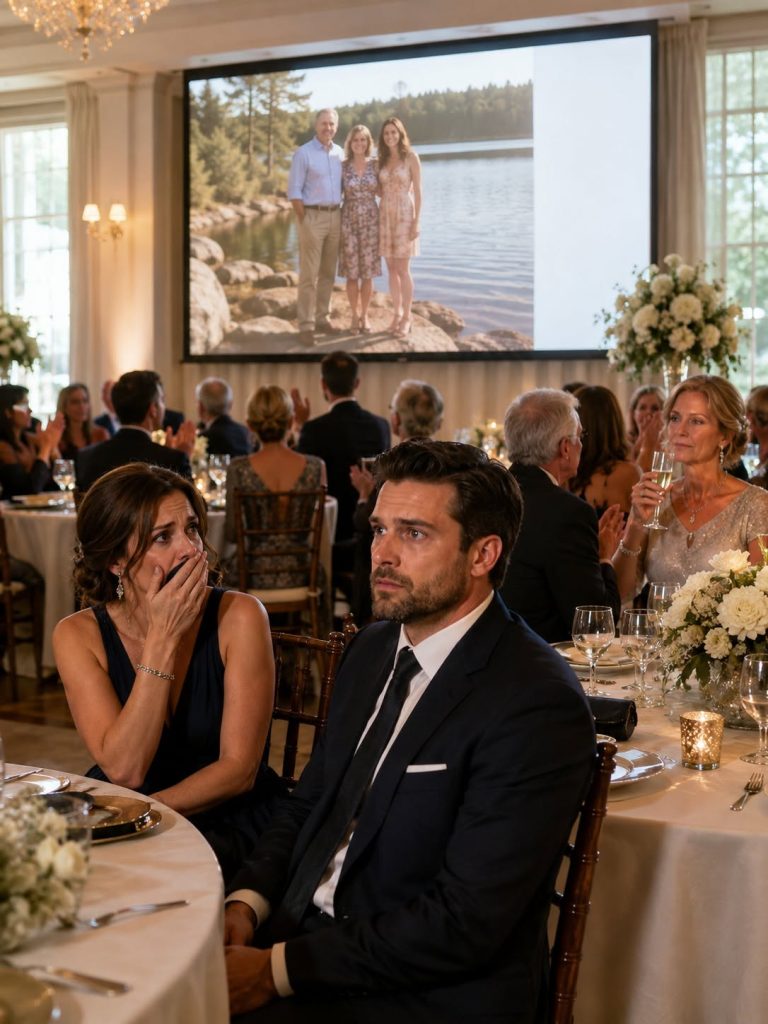
You’ve shown grace, responsibility, and love in everything you do. I felt the words like tiny cuts. Grace, responsibility, pride. All the things she’d never once said about me. Then came dad’s turn. He took the microphone, chuckling. When Sarah was little, she used to tell me she’d grow up to marry a man just like her old dad. Hardworking, loyal, dependable. He paused for laughter. Well, she found someone better and I couldn’t be happier. Everyone clapped. I didn’t. I just stared at my plate, pretending to focus on my food while something inside me started to twist. But then came the real blow, the part that changed everything. After the toasts, the coordinator announced there would be a special slideshow, a family tribute to the bride and groom. The lights dimmed, the screen lit up, and music started playing. Photos of Sarah and her fiance flashed across the screen. Childhood pictures, vacation shots, family dinners.
Everyone laughed and cheered. And then halfway through, a series of old family photos appeared. There was one from our childhood. Me, Sarah, and our parents at the lake. Only I wasn’t in it. I blinked. At first, I thought maybe it was just a coincidence. But then another photo came up, one I remembered vividly because I was in it when it was taken. Thanksgiving 1998. I was right next to Sarah in the original picture. But in the version on the screen, my spot was cropped out entirely. Photo after photo, it was the same. Years of family memories edited, trimmed, rewritten until it looked like I’d never existed. Rachel’s hand shot to her mouth. Carl, she whispered. They they edited you out. I couldn’t move. I couldn’t even breathe properly. It felt surreal, like watching a movie about someone else’s life, one I’d somehow been erased from.
The room was full of laughter, clinking glasses, applause, and all I could hear was the blood pounding in my ears. When the slideshow ended, people stood to clap. I stayed seated. My parents didn’t look my way once. Neither did Sarah. They just smiled, basking in the glow of their perfect family. Rachel leaned closer. “We should go,” she whispered. Right now. But I wasn’t ready to leave. Not yet. I needed to see if any of them would even notice. So, we stayed through dinner. Not one person came over to talk to us. Not one. It was as if we were invisible. At one point, my cousin Mark, one of the few decent people in the family, passed by our table and stopped. He gave me an uneasy look. “Hey, man,” he said quietly. “I didn’t realize you weren’t up there, I thought.” He glanced toward my parents, then back at me. I don’t know what’s going on, but I’m sorry. That’s when I finally stood. Rachel followed.
We walked toward the exit, weaving through the crowd. As we passed by my parents, mom turned just slightly, her smile never fading. “Leaving already?” she said softly, as if she’d been expecting it. “Yeah,” I said. “Wouldn’t want to ruin the perfect picture. For the first time that night, her smile faltered just for a second. But she recovered fast. Don’t be dramatic, Carl. It’s Sarah’s day. I wanted to say a hundred things. I wanted to tell her she’d finally succeeded. She’d erased me completely. But instead, I just said, “You made your choice, Mom.” And I walked away. Rachel didn’t say a word until we were in the car. The second we closed the doors, she exhaled shakily. “That was, I can’t even believe that happened. They actually cut you out of your own family photos.” I stared straight ahead. “They’ve been cutting me out for years,” I said quietly. They just finally made it official.
We drove home in silence, the glow from the estate fading in the rear view mirror. That night, as I put Max to bed, he asked me if Grandma and Grandpa were coming to visit soon. I hesitated before answering. Not for a while, buddy. He frowned. Did I do something wrong? That question broke me in a way nothing else could. I sat beside him and said, “No, you didn’t. Some people just forget what matters.” He nodded sleepily, not fully understanding. But I did. I understood perfectly. Because that night, staring at my son’s face, I realized this wasn’t just about me anymore. It wasn’t about a ruined barbecue or an empty seat at a wedding. It was about showing him that family doesn’t mean tolerating cruelty just because you share a last name. And as I lay awake later, Rachel beside me, I made a quiet promise to myself. If they wanted to erase me, fine. But they were about to learn what it felt like to be forgotten in return.
Only when my revenge finally came, it wasn’t loud or angry. It was quiet, calculated, and it started with something as simple as a phone call that none of them saw coming. The morning after the wedding felt like a hangover, not from alcohol, but from disappointment. That kind of heavy, dull ache that settles in your chest and refuses to leave. I woke up early, long before the sun, sitting at the kitchen table with a mug of coffee gone cold, staring at nothing. Rachel came downstairs quietly, her hair still messy from sleep. She didn’t say anything at first. She just sat beside me and put her hand over mine. For a long time, we didn’t talk. There was nothing left to say. When the world finally started to wake up outside, the hum of cars, the distant barking of a dog, I broke the silence. They really did it, didn’t they? I said, my voice barely above a whisper. They erased me. Rachel looked at me, her eyes tired but steady.
They did, and they’ll keep pretending it’s normal if you let them. I nodded slowly. I won’t, but saying that and believing it were two different things. The truth was the fallout hit me harder than I expected. 4 weeks after the wedding, I felt like I was walking around in a fog. My phone stayed silent. No calls, no texts, nothing from my parents, nothing from Sarah. The family group chat that used to ping every few days with updates about Sarah’s life was now just a string of photos and congratulations from extended relatives, all ignoring me completely. At first, I thought maybe it would pass, that someone would reach out eventually, but no one did. Not even an apology. One afternoon, about 2 weeks later, Rachel called me from work. “You might want to check your mail,” she said. Her voice had that cautious tone, the one she used when she knew something would hurt. There was an envelope waiting when I got home. Thick, white, formal.
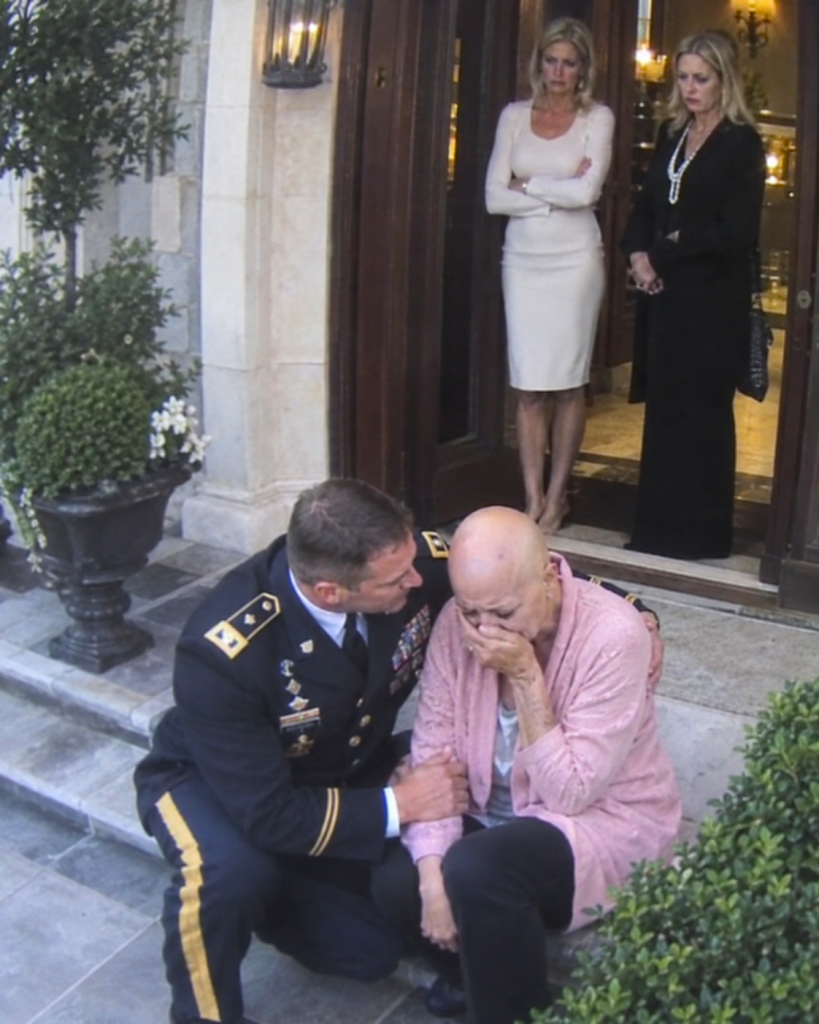
My parents address printed neatly in the corner. I opened it at the counter, expecting maybe a letter, maybe something about Sarah’s honeymoon. Instead, it was a typed notice, cold and impersonal. It said that my parents were revising their estate distribution and that certain provisions would no longer apply. I stood there staring at the paper. My stomach dropping. It wasn’t even about the money. It was what it symbolized. A final confirmation that I was no longer part of the family, not even on paper. When Rachel got home, she found me still holding the letter. “They didn’t even call,” she asked quietly. I shook my head. “They couldn’t even pick up the phone. They just mailed it like it was a business transaction. She took the letter from me and tore it in half. Then, treat it like one,” she said firmly.
“You don’t owe them a single thing.” But it wasn’t that easy because no matter how much anger I had, there was still that small part of me. The child who had spent years trying to earn their approval, whispering that maybe I’d gone too far, that maybe I really had disrespected the family. The guilt lingered longer than I wanted to admit. Every time Max asked about grandma or grandpa, it twisted the knife. I didn’t want him growing up in the shadow of their favoritism. I didn’t want him to think love had to be earned. So, I started avoiding the subject altogether. When he asked to call them, I changed the topic. When he drew a picture of grandpa’s house, I’d tell him that maybe we’d visit one day, even though I knew we never would. The turning point came one afternoon at the grocery store. I was standing in line when I heard a familiar voice behind me, Saras. I froze for a moment before turning.
She looked perfect as always, dressed in a pale coat, hair done, face flawless. And next to her was Mom. Of course, Carl. Sarah said, her tone cool. Didn’t expect to see you here. I forced a small smile. Yeah, just grabbing a few things. Mom didn’t bother pretending. She looked me up and down and said, “You look tired. I’ve been working a lot,” I said flatly. “Mm,” she replied. “You should focus more on your family. It’s not healthy to isolate yourself. I stared at her. You mean like you did to me? Sarah shot me a warning look. Carl, not here. I almost laughed, right? Wouldn’t want to ruin the perfect image. Mom straightened her voice. I see. If you’re going to continue this bitterness, maybe it’s best if we keep our distance. You already did, I said quietly. You made that clear at the wedding. Something flickered across her face, a mix of guilt and pride, but she said nothing. Sarah cleared her throat and tugged mom’s arm.
Come on, we’re going to be late. They walked away without another word. I stood there for a long time after they left, feeling something inside me hardened even more. Whatever fragile hope I’d held on to that things might change was gone now, completely gone. When I got home that evening, Rachel and Max were in the yard playing catch. I sat on the porch watching them laugh, and that’s when it hit me. This was my family. Not the people who ignored us. Not the ones who erased me, but the two people who showed up every day. The ones who loved without conditions. That night, I made a quiet decision. No big announcements, no dramatic gestures, just a choice. I was done chasing people who didn’t want me. Done trying to prove I was worthy of their attention. But walking away wasn’t as simple as cutting off contact. It meant unlearning decades of habits.
Checking my phone for their messages, replaying old conversations, wondering what I could have said differently. It meant grieving the family I wished I had, not the one I actually did. Over the next few months, I poured myself into my work and my home. Rachel noticed it. How I’d started coming home earlier, how I made more time for Max. We started having dinners outside again, just like before the barbecue. At first, it felt forced, like I was pretending to be okay. But slowly, something shifted. The laughter came back, the lightness. And yet, even as I started to heal, my family didn’t stop. They couldn’t leave well enough alone. I found out through a cousin that mom had been telling people I distanced myself out of jealousy, that I couldn’t handle how successful Sarah was. It was like they needed a villain in their story, and I was the easiest choice. At first, I ignored it.
But when it started reaching people at work, when a mutual acquaintance mentioned it casually at a conference, that’s when I realized just how far they’d gone. Mom wasn’t content with cutting me off. She wanted to rewrite my reputation, too. I remember sitting in my car after that conversation, gripping the steering wheel, my pulse pounding in my ears. Enough, I muttered out loud. Enough. That night, I told Rachel everything. The rumors, the gossip, all of it. She listened quietly, then said something that stuck with me. You can’t win their game by playing it, Carl. But you can remind them who they underestimated. She was right. I didn’t need revenge out of spite. What I needed was to reclaim control, to show them and everyone else that they couldn’t define me anymore. So, I started small. I stopped responding to anything that came through mutual channels. I changed my number, my email, even blocked mom and dad’s accounts.
I focused on work, building my projects, nurturing the company I’d started a few years back. It had been doing well before, but now I threw myself into it completely. I didn’t talk about it publicly. I didn’t brag. I just built quietly. Months passed. Seasons changed. Sarah and her husband moved into a new house. A gift I later found out from my parents. A family contribution. Mom called it on social media. That one stung a little, but not like before. Because by then, I had something they didn’t know. Something I was building brick by brick, patiently, deliberately. And while they celebrated their picture perfect life online, I was setting up the foundation for something that would one day make them regret every word they’d said, every cruel silence, every lie they’d told about me. They thought they’d erased me. But I was still here. And for the first time in my life, I was completely free.
And the best part, they wouldn’t even see the storm coming until it was already over their heads. The funny thing about starting over is that at first it doesn’t feel like a rise. It feels like survival. The days blur together and you’re just trying to stay afloat, working, breathing, keeping your head down. That’s how it began for me. But somewhere in that grind, something shifted. I stopped waiting for closure and started building a life that didn’t depend on anyone’s approval. For years, I’d been running a small home renovation business on the side, mostly remodeling kitchens and doing custom cabinetry. I’d started it after leaving my old corporate job because I wanted more time with Max. But I never saw it as anything special, just a modest, steady income. After the fallout with my family, though, I threw myself into it like my life depended on it.
I worked longer hours, took on bigger projects, and poured every bit of energy into growing it. I’d come home covered in sawdust, exhausted but fulfilled. There’s a strange piece in building something real. Something that can’t be taken away or rewritten out of a slideshow. Rachel noticed at first. You’re different. She said one night while we were sitting on the porch watching Max chase fireflies. You’re lighter. I smiled faintly. Maybe I just stopped expecting anything from people who never gave it. She nudged me. No, it’s more than that. You’re actually happy. I hadn’t realized it until she said it, but she was right. I wasn’t waking up angry anymore. I wasn’t replaying that wedding or the empty barbecue. I was just moving forward. Word of my work spread quickly. A real estate agent I’d done a small project for recommended me to a developer who wanted help redesigning a few historic homes.
It was a big job, bigger than anything I’d handled before. But I took the risk and for the first time, I felt like I was finally in control of something that mattered. That project changed everything. My designs caught the attention of a local magazine which featured a small article about my business, calling it one of the most promising renovation firms in the region. Overnight, my inbox filled with requests. I had to hire two full-time workers just to keep up with demand. Then four, then eight. Within a year, I opened a proper office downtown, a clean, minimalist space with my name on the door. Carl Whitman Design and Restoration. Standing there on the day we opened, Rachel by my side and Max running around the reception area with a juice box. I felt something I hadn’t felt since childhood. Pride.
Not the kind my parents used to dangle in front of me like a prize, but the kind that comes from building something with your own two hands. And I made a promise to myself that day. This success wasn’t just for me. It was for Rachel, for Max, and for every moment I’d spent waiting for people who never showed up. Success has a strange way of drawing attention, especially from people who once ignored you. At first, it was subtle. A cousin I hadn’t spoken to in months sent a message. Hey man, saw your article. Congrats. Proud of you. Then another. Then one day, out of nowhere, mom called. I saw her name flash on my screen while I was at the office and for a full minute, I just stared at it. Rachel happened to be there dropping off lunch. “Are you going to answer?” she asked. No, I said, setting the phone face down. Not yet, she nodded. Good. Make them wait. And that’s what I did.
For the first time in my life, they were the ones waiting on me. By the second year, business was booming. We’d expanded into commercial spaces, hired a small design team, and even got featured in a national home improvement show. It was surreal seeing my logo on TV, hearing the host talk about Carl Whitman’s Eye for Detail. Rachel cried when she saw it. Max jumped up and down yelling, “That’s dad. That’s dad.” I remember sitting with them on the couch that night, thinking, “This is what it should have felt like all along. Genuine joy. Not performative, not conditional, just real.” But of course, the news traveled fast. My parents might have cut me out of their will, but they hadn’t cut me out of their curiosity. The first sign that they’d caught wind of my success came through Sarah. She posted a photo of her new house on social media. All pristine marble and white walls with a caption that read, “Finally settling in.
Wish we had your design skills at Carl Whitman design.” Rachel showed it to me with a raised eyebrow. “That’s bait,” she said. I laughed. “Yeah, let them fish.” I didn’t comment. I didn’t respond. I just kept moving. Then came the second sign. A text from dad. Short and stiff. Heard your business is doing well. We’re proud of you. I read it three times before setting my phone down. Rachel asked if I’d reply. No, I said simply. He wasn’t proud when I needed him to be. That’s the thing about power. It doesn’t always look like money or status. Sometimes it’s just the ability to choose silence. Around that time, I also started investing carefully, quietly. A friend I’d met through a client introduced me to a few smart opportunities in real estate. I bought a few old properties, fixed them up, and rented them out. Within months, those small investments turned into steady income streams. Before long, I wasn’t just running a business.
I was building an empire, one quiet decision at a time. Rachel was my rock through it all. She managed the finances, helped with the office decor, even started her own side venture, a small interior design studio that collaborated with mine. We became a team in every sense. And Max. He’d started telling everyone in school that his dad built houses for TV. Life was good, peaceful hours. Then about a year and a half after Sarah’s wedding, I got an unexpected message from an unfamiliar number. Hey Carl, it’s Ben. I frowned. Sarah’s husband. I don’t know if you’ve heard, but we’re having some problems with the house. Something with the foundation. Thought maybe you could take a look. I stared at the message for a while. My first instinct was to ignore it, but curiosity got the better of me. Sure, I replied finally. Send me the address. When I arrived 2 days later, Sarah nearly dropped her coffee. She clearly hadn’t expected me to show up.
Carl, she said, forcing a smile. “Wow, thanks for coming. I looked around. The house was huge, easily a million-doll property. Nice place,” I said. “Yeah,” she said, glancing nervously at Ben. Mom and dad helped a bit. Of course they did. Ben led me to the basement where I found the issue immediately. Water damage severe enough that it would cost tens of thousands to fix. Who did your inspection? I asked. Some company dad recommended. Ben said. Guess they missed this. I couldn’t help it. I almost smiled. The irony was too rich. Yeah, I said. Looks like they did. Sarah followed me upstairs. Can you fix it? She asked softly. I met her eyes. Sure, but it’s not cheap. How much are we talking? 30, maybe 40,000, I said casually. Her jaw dropped. 40,000. Foundation repairs aren’t small jobs, I said. But you could call dad’s guy again if you want. She hesitated, then shook her head. No, we trust you.
That word trust hit differently coming from her. The same sister who once told me to keep things easy at her wedding was now standing in front of me asking for help. I didn’t say it out loud, but something inside me settled that day. It wasn’t about revenge. Not yet. It was about balance. Over the next few weeks, my crew worked on Sarah’s house. Every time I came by to check on progress, she was polite, even differential. Gone was the smug confidence from before. One afternoon, while Ben was out, she stopped me at the door. “I owe you an apology,” she said suddenly. “I didn’t respond,” she continued, voice shaking slightly. “For the wedding. For everything. I don’t know why, Mom and Dad. Because that’s who they are, I said quietly. You don’t need to explain. She nodded, eyes glistening. They think you hate them, you know. I laughed under my breath. No, I just stopped letting them decide who I am.
When the work finished, she tried to pay me extra, double the quoted amount for your time, she said. I refused. No need. Just pay the invoice. That’s when she looked at me and said they’re going to lose their minds when they find out you helped us. Then don’t tell them, I said, half smiling. But of course, they found out anyway. They always did. A week later, dad called again. I didn’t pick up. Then another call. Then a voicemail. Son, we should talk. There’s been a misunderstanding. I didn’t listen to the rest. Instead, I went outside, looked at my home, the yard where Max played, the porch where Rachel sat reading, and realized I finally had what I’d wanted all along. Peace, stability, success that didn’t need anyone’s validation. But deep down, I knew something else, too. They weren’t reaching out because they missed me. They were reaching out because they needed me now.
And soon, the moment would come when that need turned into desperation. When it did, I’d be ready, calm, composed, and holding all the cards. Because the truth was, the rise wasn’t just about success. It was about shifting power. And for the first time in my life, every piece was finally in my hands, right where it belonged. It started subtly, like the first rumble of thunder before a storm. At first, I thought Dad’s sudden attempts to reach out were just his usual cycle. Guilt, denial, and then the fake reconciliation phase he used whenever he wanted something. But this time, something felt different. The tone of his messages wasn’t just manipulative, it was anxious, and I could tell instinctively that something had shifted in their perfect little world. I didn’t respond right away. I watched and waited, letting him send more messages, letting the tension build. Every few days, another voicemail.
Carl, your mother and I are going through some things. Son, you’ve made a lot of progress. We’re proud of how far you’ve come. And then we might need your expertise soon. Just thought I’d give you a heads up. That one made me pause. Expertise? They hadn’t used that word about me in my entire life. They’d always seen me as the less successful one, the hands-on type, as mom liked to say in that condescending tone. The fact that dad suddenly acknowledged my skill meant one thing. They were in trouble. A few weeks later, I got the full story. Not from them, of course, but from my cousin Mark, the same one who’d quietly apologized to me at Sarah’s wedding. He called one evening hesitant. Carl, I thought you should know. Your folks are in a bind. What kind of bind? They made a bad investment, he said carefully. Your dad got involved in some small property development deal with one of his golf buddies. It went south.
Permits got denied, funding dried up, and now they’re stuck with a half-finished complex and a mountain of debt. I stayed quiet, listening. Word is they put part of their house up as collateral, Mark continued. And well, the bank’s not exactly being patient. For a long moment, I said nothing. Then I asked, why are you telling me this? Mark hesitated. Because I think they’re going to ask for help, and I know what they did to you. You deserve to know first. That night, I sat outside with Rachel, the sky clear and quiet. They’re in trouble, I said. She looked up from her tea. Financial big trouble. Dad made a bad deal. They might lose the house. Rachel sipped slowly. You’re not thinking about helping them, are you? I didn’t answer right away. No, I said finally. But maybe, maybe I’ll listen. She gave me that cautious look, the one that said she knew exactly what I was thinking. Carl, be careful. You don’t owe them anything.
I know, I said softly. But I owe myself closure. Two days later, my phone rang again. It was Dad. This time I picked up. Carl, he said too cheerfully. Glad you finally answered. Been meaning to catch up. Cut to it. I said, “What’s going on?” He paused. We’ve hit a little snag with the development project. Nothing major, just some bureaucratic nonsense. The city’s being difficult and the investors are getting jumpy. And well, he said, lowering his voice, we thought maybe you could take a look at the site. You’ve got that company now, right? You understand all the zoning and construction stuff. I almost laughed. So, you need my help. It’s not like that, he said quickly. It’s just you’re good at what you do. We could use your insight. Maybe even a partnership. A partnership? The irony almost made me choke. The same man who once told me I wasn’t built for business was now offering to partner with me. Send me the details, I said calmly.
The next day, he sent everything, the plans, the finances, the permits. It didn’t take long to see the truth. The project was a disaster. No safety compliance, expired zoning permissions, unpaid contractors, a total mess. But one thing stood out. The land itself, it was valuable, sitting in a prime spot just outside the city limits. Developed properly, it could be worth millions. But as it stood, they dug themselves into a hole so deep that no bank would touch them. That’s when the idea began to take shape. Slow, methodical, like a chess game where every move has to be perfect. I called Dad back. You’re right, I said. It’s bad, but it’s not hopeless. I could restructure it under my company, clean up the legal side, maybe even find investors, but I’d need full control. He hesitated. Full control? Full ownership of the land, I said. Otherwise, no one will take it seriously.
You can’t fix something this broken if it’s still tied to your name. He went quiet. I could almost hear him grinding his teeth. That seems a little drastic, don’t you think? Not really, I said. It’s business. Either I fix it properly or not at all. He didn’t like it, but desperation does strange things to pride. The next day, he called back. Your mother and I discussed it. We’ll sign it over temporarily as long as we can be included once it’s profitable. Sure, I said, keeping my tone neutral. Once it’s profitable. Within a week, the papers were signed. My company, my company now officially owned the land that had almost bankrupted them. I spent the next few months quietly cleaning up their mess, settling debts, repairing the site, and filing all the missing paperwork. Once the city approved the new plans, I brought in a small group of investors.
Not only did we revive the project, we turned it into something bigger, a mixeduse development with retail, housing, and commercial spaces. When construction began, I didn’t tell my parents right away. They assumed it was still being sorted out. But a few months later, when the first phase was completed, the story hit the local business journal. Whitman Development Group announces $14 million urban renewal project. The article featured photos of me standing in front of the completed site, smiling with my team. The next morning, my phone exploded with messages. Mom, Dad, even Sarah. Dad’s voice was shaking when he called. Carl, what what is this? You said I said I’d fix it, I interrupted and I did. But you you put it under your name. Of course I did, I said calmly. You signed it over to me, remember? He sputtered. We trusted you. No, I said quietly. You used me. There’s a difference. Mom got on the line then. Carl, please.
You can’t just cut us out like this. I almost laughed. You mean the way you cut me out of my own family photos? Silence, then a faint, trembling voice. We didn’t mean for it to go that far, but you did, I said. And now it’s gone full circle. For the first time in my life, I wasn’t angry. I wasn’t shouting. I wasn’t trying to explain myself or make them understand. I was calm, steady, completely in control. A week later, I mailed them something. A framed photo of the completed development signed at the bottom with my company logo. And beneath it, a handwritten note. Thanks for believing I couldn’t do it. Rachel found me in my office that night, smiling faintly at the photo on my desk. “That’s it, isn’t it?” she said. “That’s the moment.” I nodded. “No yelling, no revenge speech. Just silence. The best kind,” she said softly. But I wasn’t done yet. There was one last thing, not out of spite, but out of principle.
I learned from one of the contractors that my parents still owed several small businesses from their failed face. Local workers they promised to pay and never did. Instead of letting those debts hang over their heads, I quietly paid them myself. Then I sent the receipts to my parents. When dad called again, his voice was low. Why would you do that? Because that’s what decent people do, I said. Something you might have taught me if you’d ever shown up. There was a pause. Then for the first time, he didn’t argue. He just said quietly, “We lost you a long time ago, didn’t we? You didn’t lose me.” I said, “You pushed me out. I just stopped coming back.” That call ended with silence. No apology, no grand realization, just quiet acknowledgement. And that was enough for me. Because the real revenge wasn’t the land or the project or the success.
It was seeing them finally face the truth that the son they dismissed, erased, and underestimated had built something stronger than their approval could ever be. And as I stood overlooking the finished development months later, my name on the sign, my company thriving, my family beside me, I realized something. They taught me all the wrong lessons growing up. But I’d used them to build the right life anyway. And while I thought that was the end, I had no idea the true fallout was still coming. The moment everything they’d built for themselves would collapse completely, not because of me, but because of what they’d done to cover their mistakes. And when it did, they’d come to me again. This time though, I’d be the one answering the door on my terms. It all came crashing down faster than anyone expected.
About 6 months after my development project launched, I started hearing whispers that my parents’ financial situation had gone from bad to catastrophic. Their investment partner, the same man Dad had bragged about building an empire with, had filed for bankruptcy and in doing so exposed a pile of unpaid debts and falsified financial statements. Dad had signed off on more than one of them. Whether it was desperation or arrogance, I’ll never know. But the fallout was brutal. Their house, the one I’d grown up in, was officially on the market, not by choice, but by foreclosure. They tried to hide it, of course. That’s the thing about people obsessed with image. They’ll drown smiling rather than admit they’re underwater. But the news reached me anyway. First through Mark, then through a local article that made it all public. The headline was almost poetic. Whitman family loses historic estate amid financial scandal.
For days, my phone blew up with texts from people asking if it was true, if I’d known. I didn’t respond. I didn’t gloat. I just watched it all unfold from the quiet of my office. The same office that bore my name on the door. The one they once told me was too ambitious to ever work. Then one rainy afternoon, it happened. There was a knock at my door. Rachel was the one who answered. I heard murmuring in the hallway. Then her soft voice saying, “Carl, you might want to come here.” When I stepped out, mom and dad were standing in the lobby. They looked smaller, not just older, diminished. The confidence that used to radiate off them was gone, replaced by something I’d never seen in them before. Humility. Carl, Dad said, his voice unsteady. We didn’t know where else to go. For a long moment, I didn’t say anything.
I just looked at them at the people who had erased me, ignored my son’s birthday, cut me out of their lives and their legacy like I was a stain they could wash away. And now they were standing in my office, drenched from the rain, asking for shelter. Rachel quietly stepped aside, leaving us alone. “What do you need?” I asked, keeping my voice calm. Dad swallowed. “We’re being forced to leave the house. We We don’t have anywhere else yet. We just need a little time.” Mom’s eyes were glassy. We’ve made mistakes, Carl. We know that, but you’re our son. Family helps family. That line, “Family helps family,” echoed in my head. It was the same line dad had used when he made me pay for my sister’s engagement gifts years ago. The same line mom used to guilt me into understanding why Sarah deserved more. I took a slow breath. You’re right, I said finally. Family does help family. That’s why I paid off your unpaid workers.
That’s why I fixed the mess you left behind. They both looked startled. But I can’t help people who only remember I exist when they need saving. I continued. You taught me that love should be earned. Now you’re just living by your own rules. Mom started crying softly. Dad’s jaw tightened, pride still fighting to survive under the weight of his downfall. We’re not asking for much, he said quietly. Just a roof. Just until. Until what? I cut in gently. Until you can rebuild the image again. Until you can tell people your son came through and make it sound like redemption instead of consequence. They didn’t answer. The only sound was the rain tapping against the glass. I glanced toward the window, the skyline of the city glowing in the distance. The city where my projects now stood, where my name meant something. Then I look back at them. There’s a motel two blocks down. Tell them Carl Whitman sent you. I’ll cover two weeks.
After that, you’ll need to figure things out. Dad’s mouth fell open. You’re turning us away. No, I said quietly. I’m letting you go. Mom whispered. Please, Carl. We’re sorry. I shook my head. You’re sorry it caught up to you. Not for what you did. I walked them to the door myself. Dad hesitated as if he wanted to say something else, but couldn’t find the words. Mom looked back once, tears streaking down her face. Then they stepped out into the rain, arm- in-armm, the door closing softly behind them. Rachel came back a moment later. “You okay?” I nodded slowly. “Yeah, for the first time, I think I am.” That evening, after everyone left, I went up to the rooftop terrace of my building. The rain had stopped, leaving the city lights shimmering off wet pavement. I stood there, hands in my pockets, breathing in the cool air. It wasn’t satisfaction I felt. It wasn’t revenge. It was peace.
That rare, quiet kind that comes only after years of trying to earn something you never needed in the first place. I took out my phone, opened the photo of the finished development, the one they tried to take credit for, and stared at the inscription beneath my company logo. Built with integrity, owned with purpose. A small smile tugged at my lips. They taught me how to live without them, and I’d finally learned. And that night, as the city hummed below me, I sent one last message to my father’s number before deleting it for good. You wanted to show the world who our family really was. Mission accomplished.