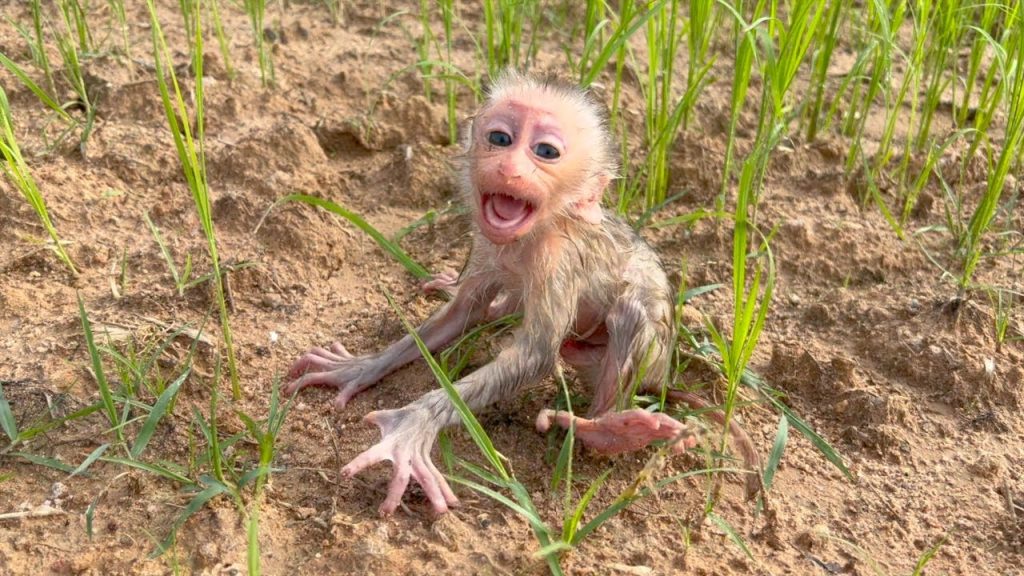
The field was silent after the rain, soaked earth glistening under a gray sky. In the middle of the tall grass lay a tiny baby monkey, completely wet, his fragile body trembling uncontrollably. His fur was plastered flat against his skin, making him look even smaller than he was. He was alone.
His cries were weak, almost lost in the sound of dripping water. Each breath came with effort, his chest rising and falling too fast. The cold had crept deep into his tiny bones. There was no mother in sight, no warmth, no protection. Only mud, rain, and fear surrounded him.
The baby tried to move, but his limbs were heavy and tired. His eyes, big and glassy, searched the empty field, hoping for something familiar. Hunger twisted inside his belly, mixing with cold and exhaustion. He let out another cry, softer this time, as if even his voice was giving up.
Then footsteps approached.
A person walking along the field stopped suddenly. At first, they thought the sound was a bird. But when they parted the grass, their heart dropped. There he was—soaked, shaking, barely holding on. Without hesitation, they scooped him up, feeling how cold and light his body was.
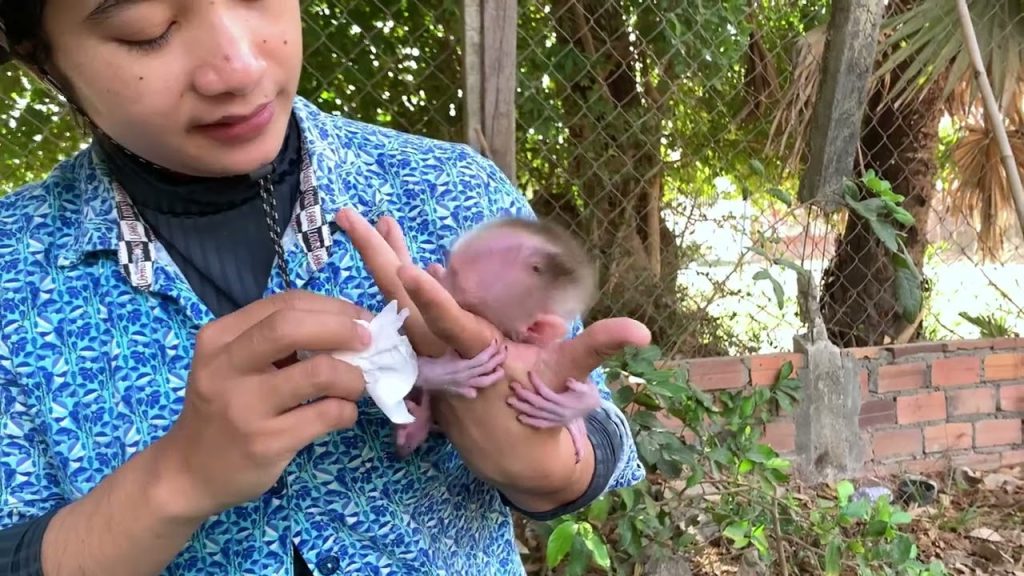
The baby startled at the touch, crying once more, then slowly relaxing as warmth reached him. A jacket wrapped around his wet body. Gentle hands rubbed his back, trying to bring life back into his tiny frame. His cries faded into shaky breaths.
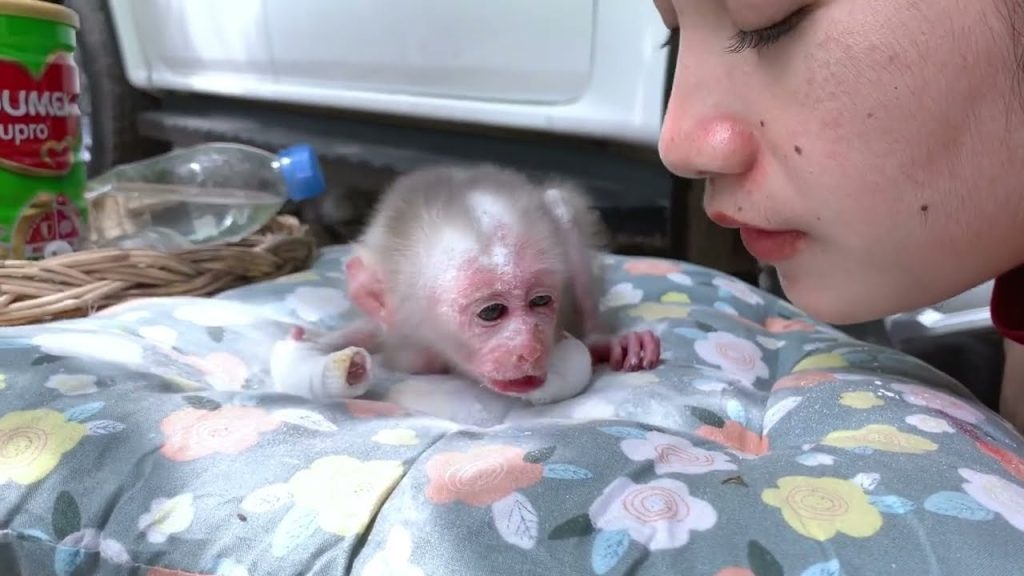
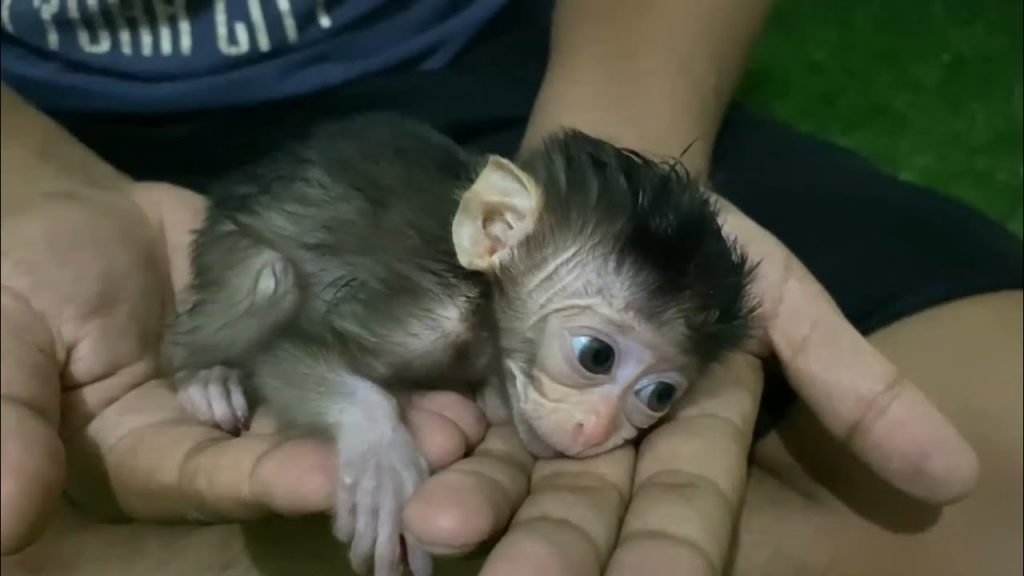
Back in shelter, he was dried carefully, wrapped in soft cloth, and held close. Warmth returned. His breathing slowed. His eyes blinked slowly, no longer panicked.
That day, the field stayed the same—quiet and unforgiving. But the baby’s life changed forever.
He had been abandoned, cold, and forgotten. Yet compassion found him. And in the arms of kindness, a soaked, shivering baby learned that even after being left behind, survival is possible, and love can still begin in the most hopeless places.